
How To Ship Tube Amplifiers - Unboxing At Last (Finding A Gem Down a Dark Dirt Road Pt. VI)
Feb 01, 2026
This is the longest post in our series, but the most fun because we get to see the fruits of our labors upon arrival. It didn’t just work out well, it worked out beautifully.
Speakers:
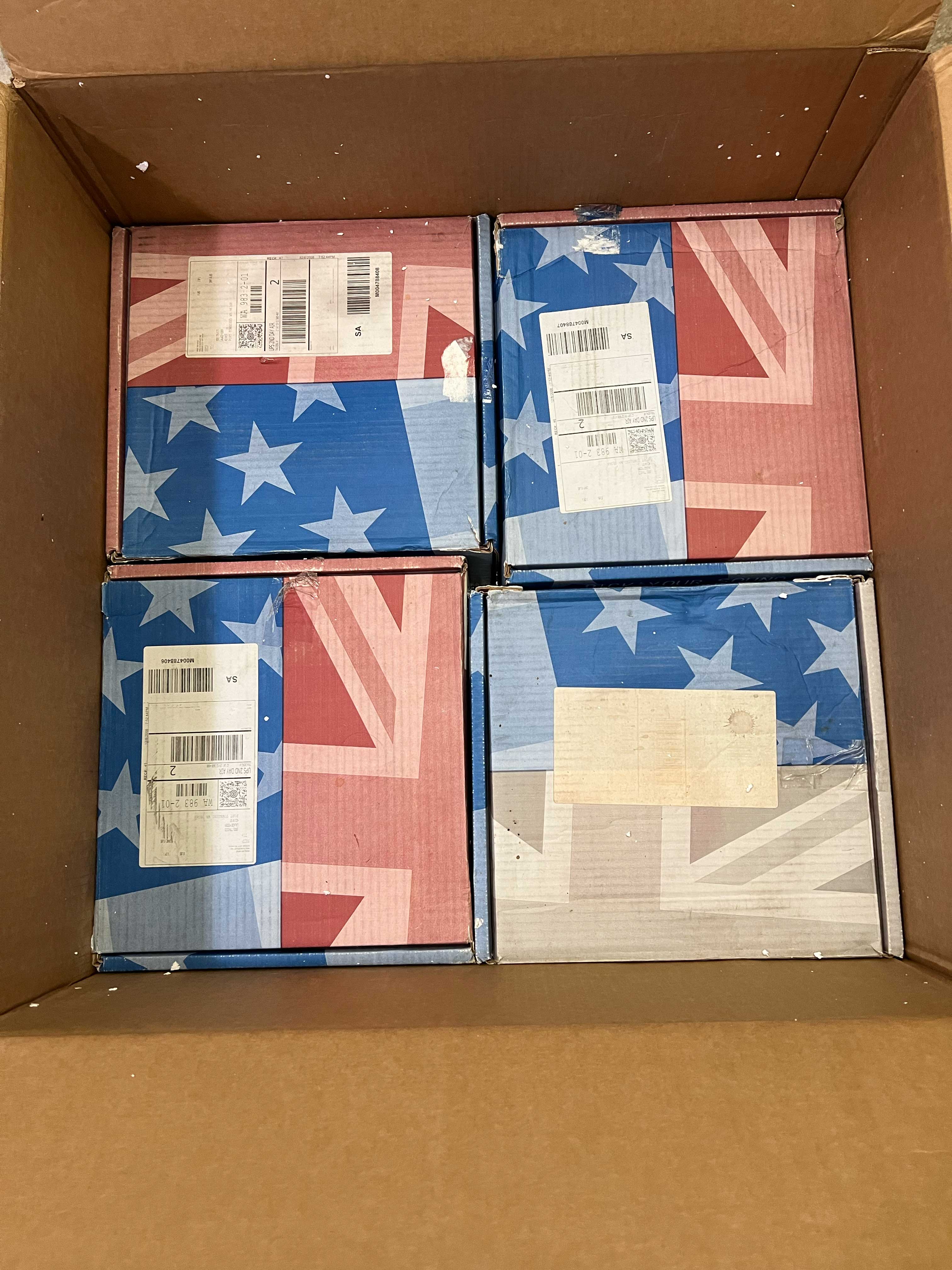
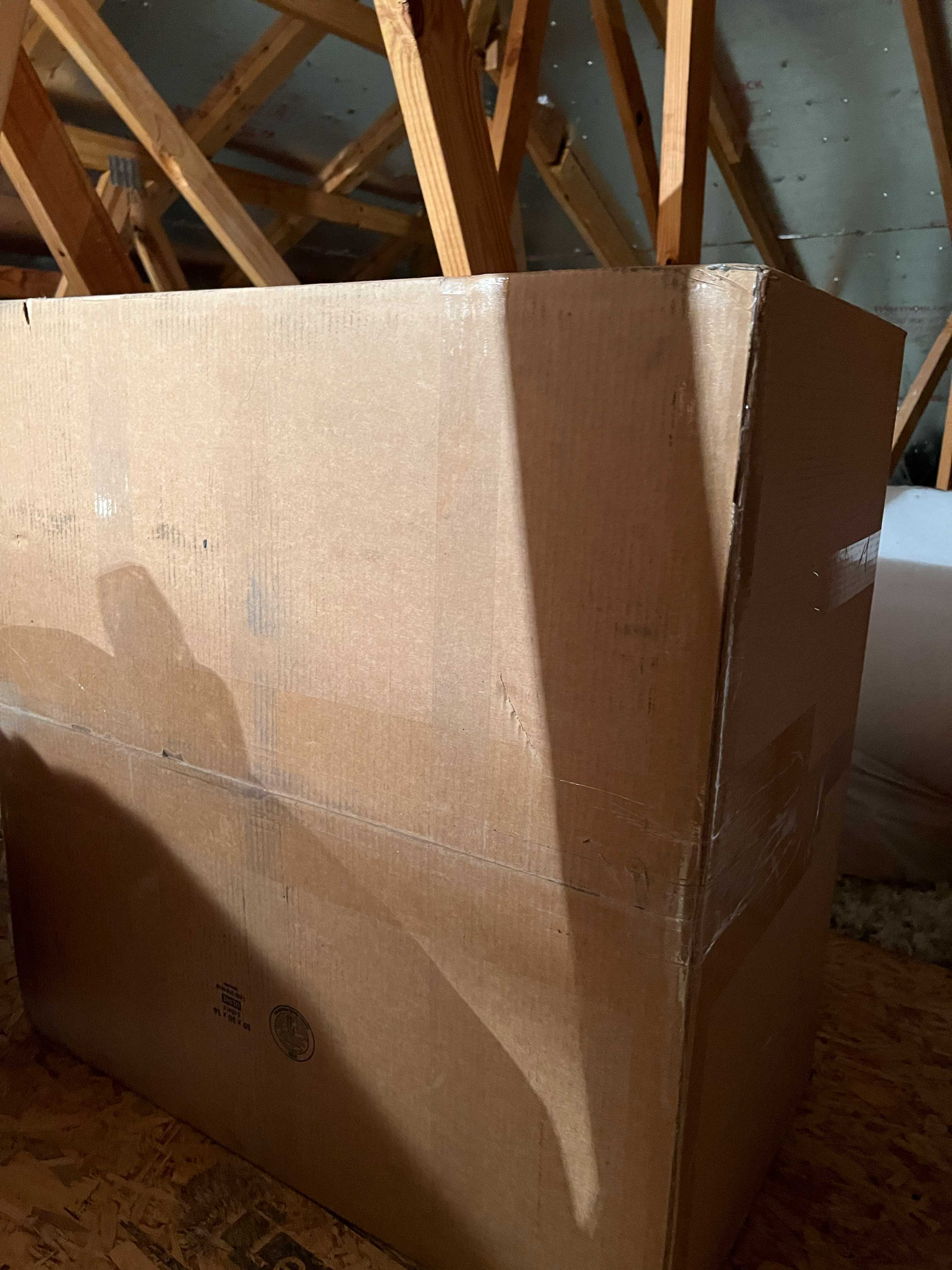
Opening the speaker box revealed no damage at all through the top. The top layer contained the original CTS speakers.
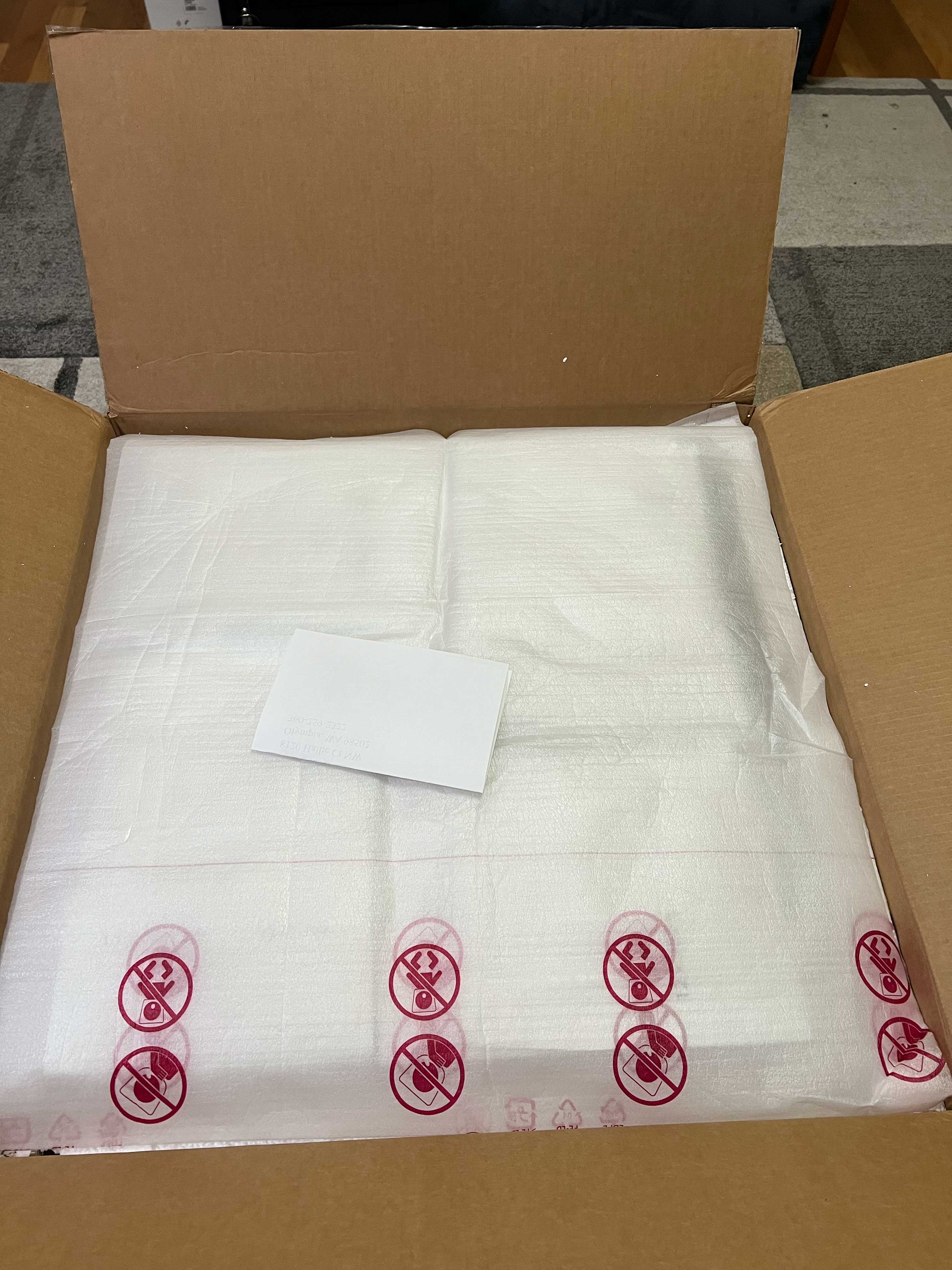
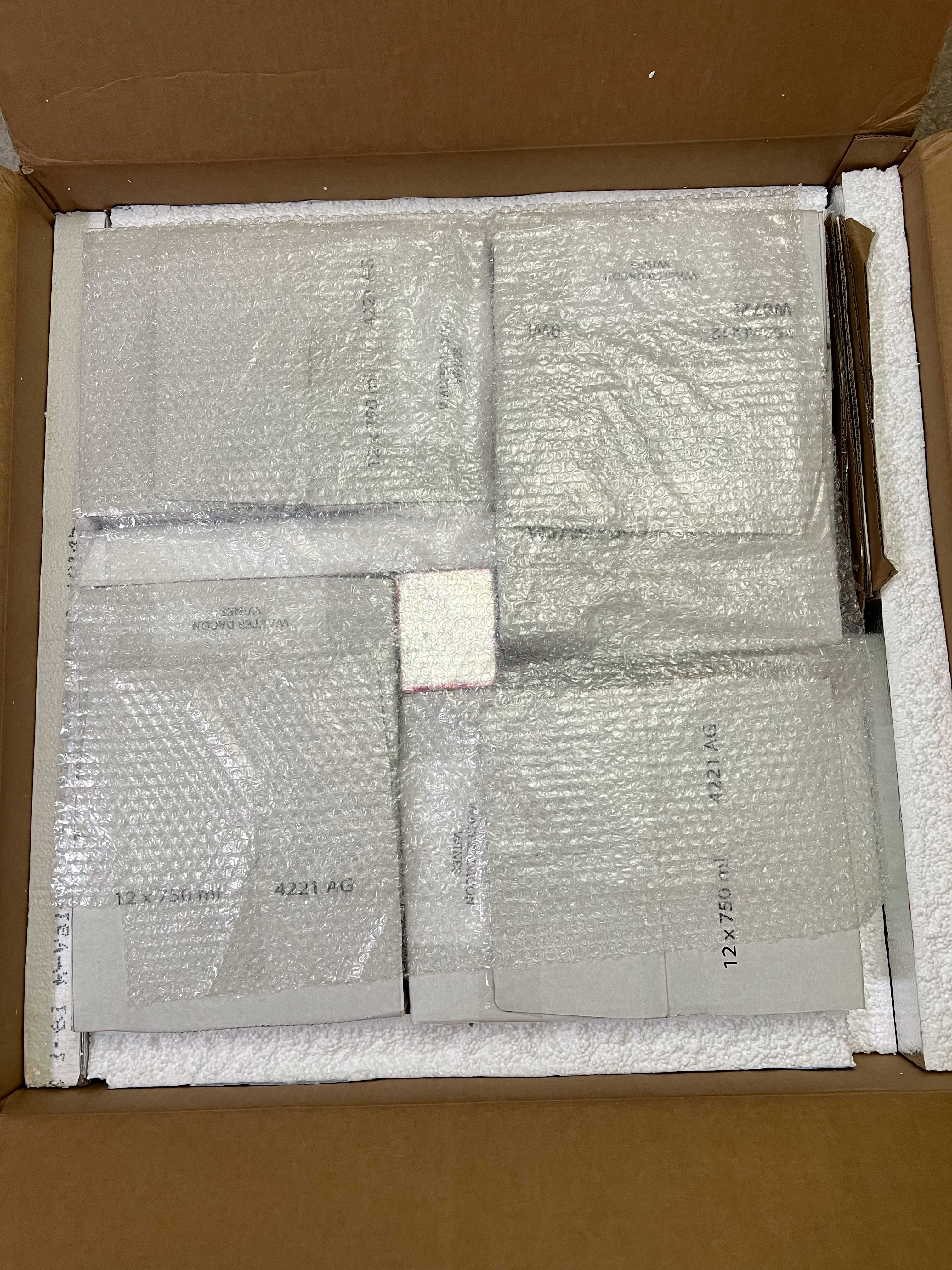
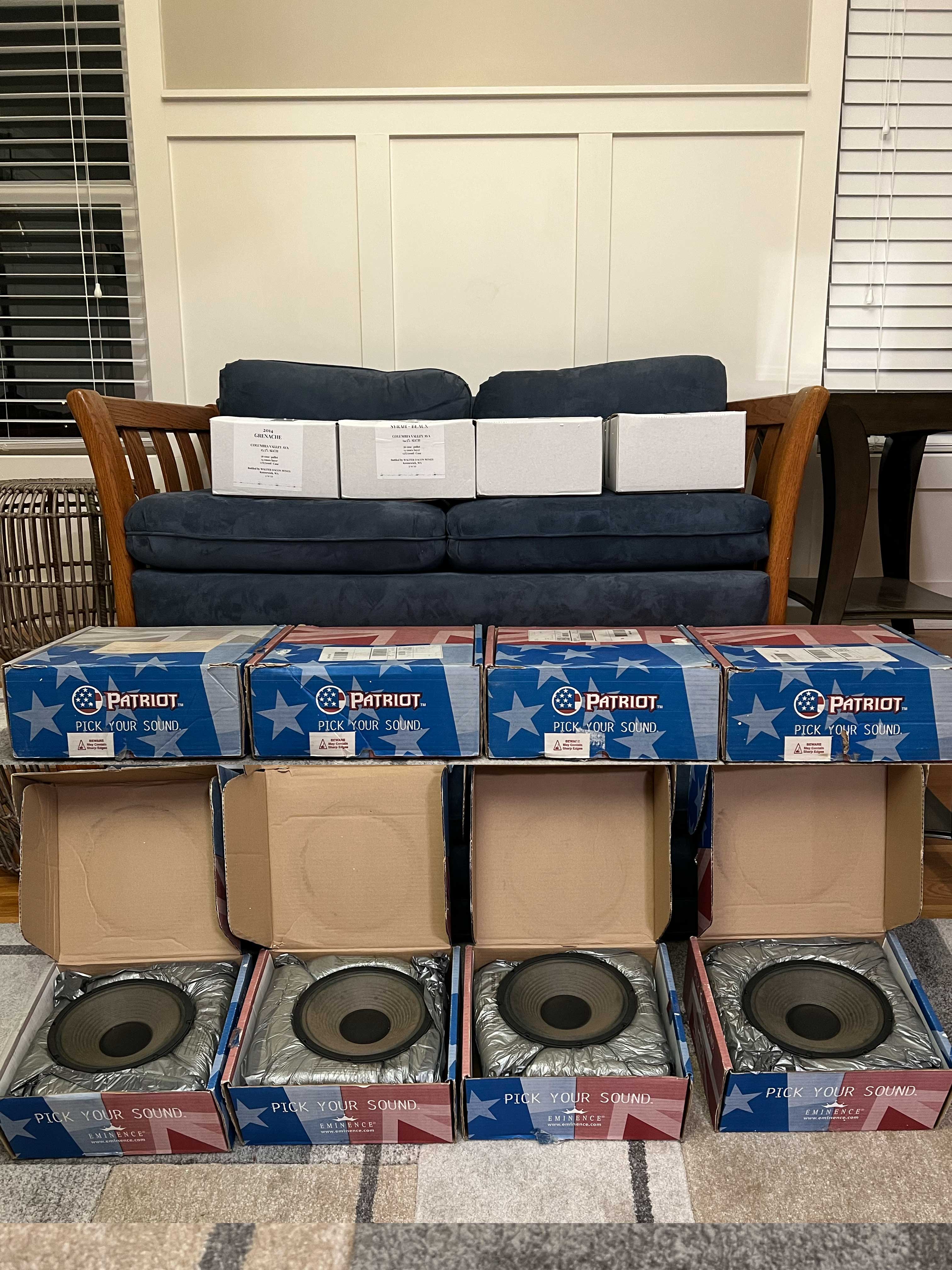
The second layer contained the Eminence replacements that are the current speakers for the amp. Placing those on the bottom layer was a deliberate choice. Remember from part one that when the amp was sold to me, Eminence Lil’ Buddys were loaded in the cabinet with the original CTS speakers stashed in the padded Eminence boxes.
After removing all four speakers from the cabinet for shipping in Part III, that only left four Eminence boxes for eight total speakers, and I did not have any boxes as good as the ones Eminence ships their speakers in.
Without four more extra Eminence boxes, I re-used wine shipping boxes shaped to size with the Uline carton sizer tool. This was because the Eminence speakers are in working order whereas the CTS speakers are presently unusable until being reconed in the future. So I wanted the Eminence speakers packed most securely of all, without any possibility of movement or force (protecting both the cones as well as magnets from shifting during a huge drop, which would effectively destroy the speaker). With that in mind they went on the bottom layer surrounded by 2” foam below plus 1.5” foam on top.
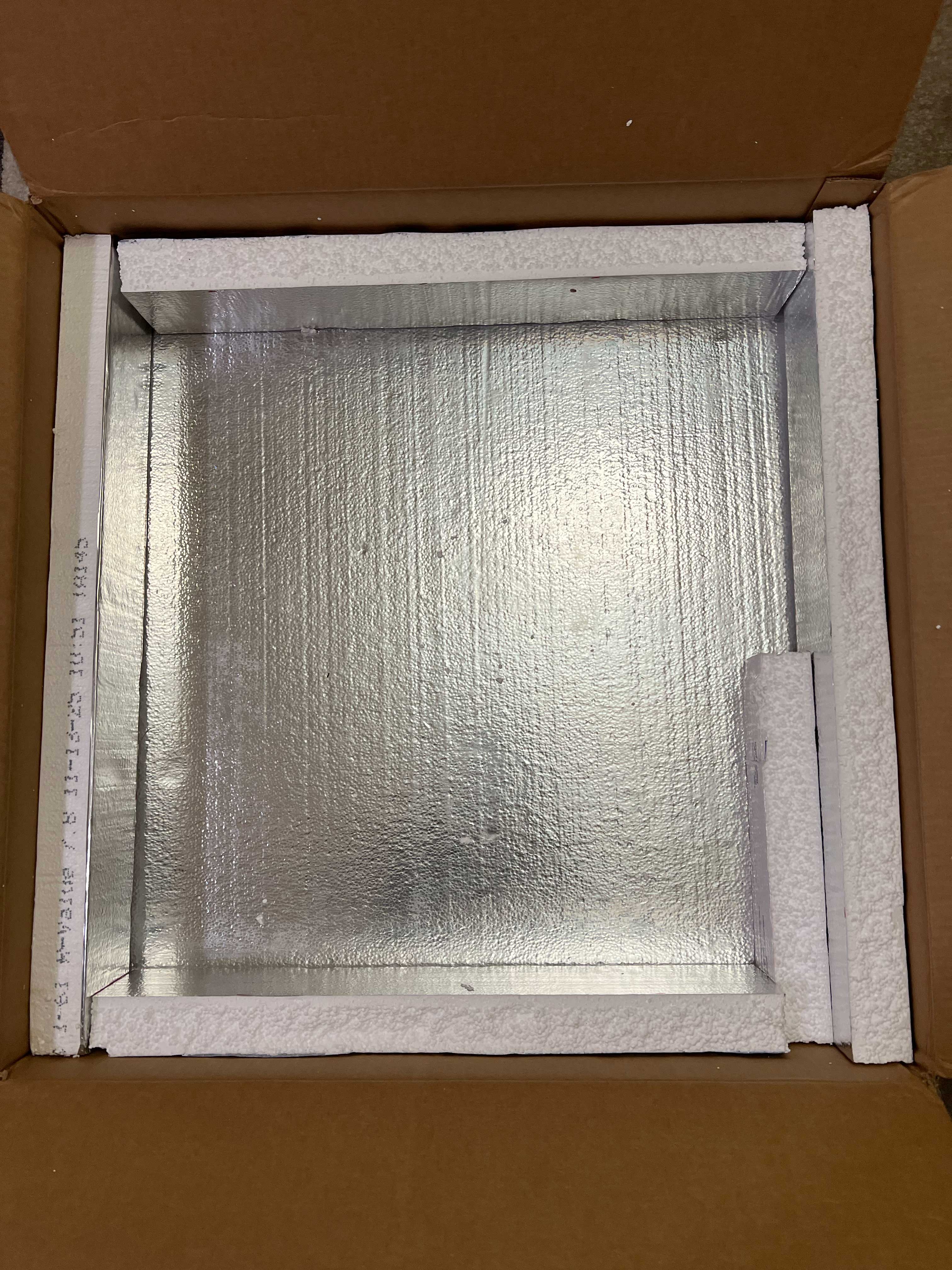
Lifting the middle layer of foam, the styrofoam bits all over the box was to be expected. Not a concern, as the speakers were stored in their factory boxes. However, the foam crumbs this creates was the reason everything in all four boxes was packed the way it was in order to keep foam crumbs away from the actual amplifier parts. Recall from Part III that the cabinet itself was boxed in an inner cardboard box. Common to the entire process of shipping the amp, anywhere foam could go loose, everything was protected from those foam crumbs by additional boxing and padding.
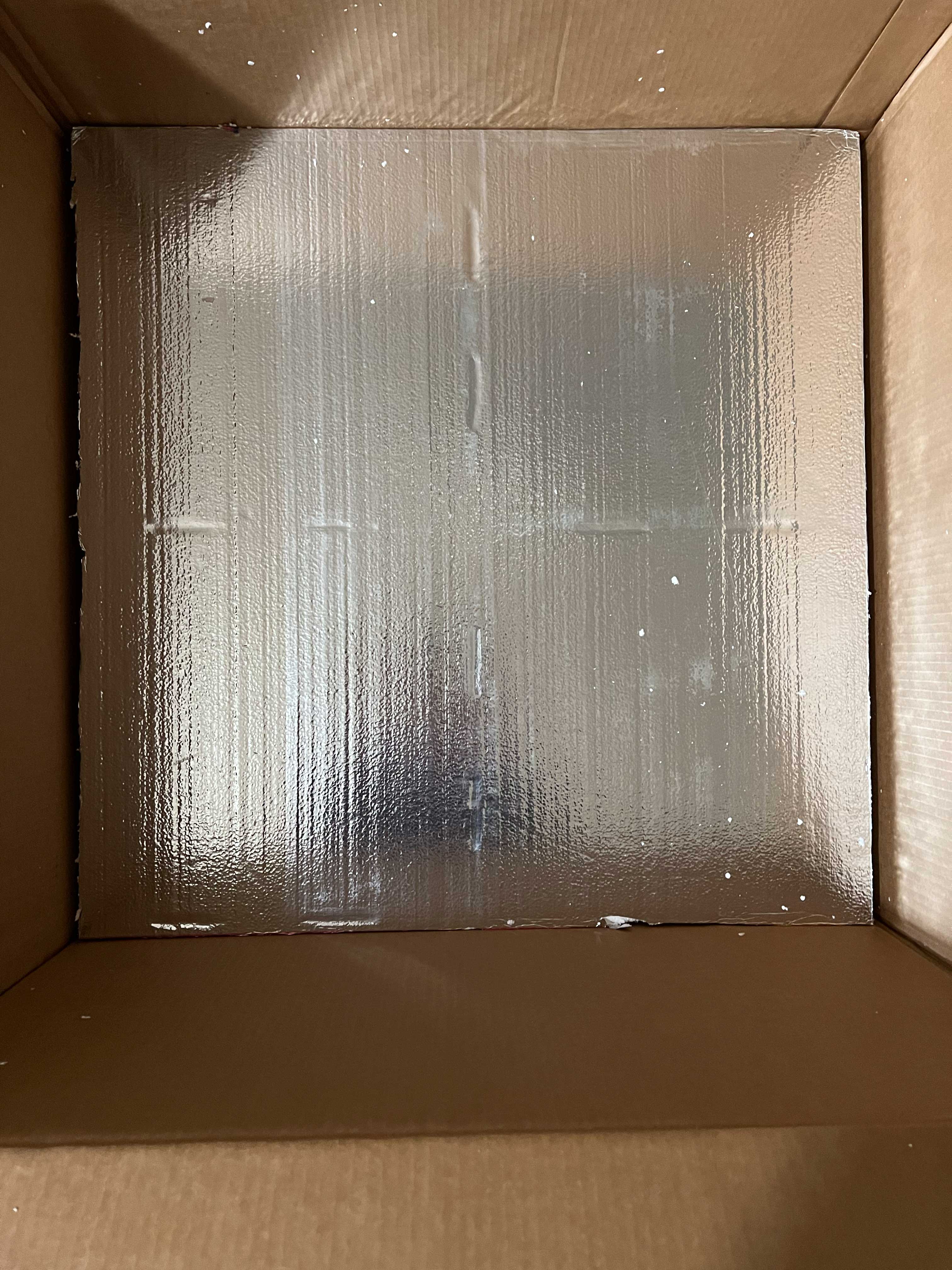
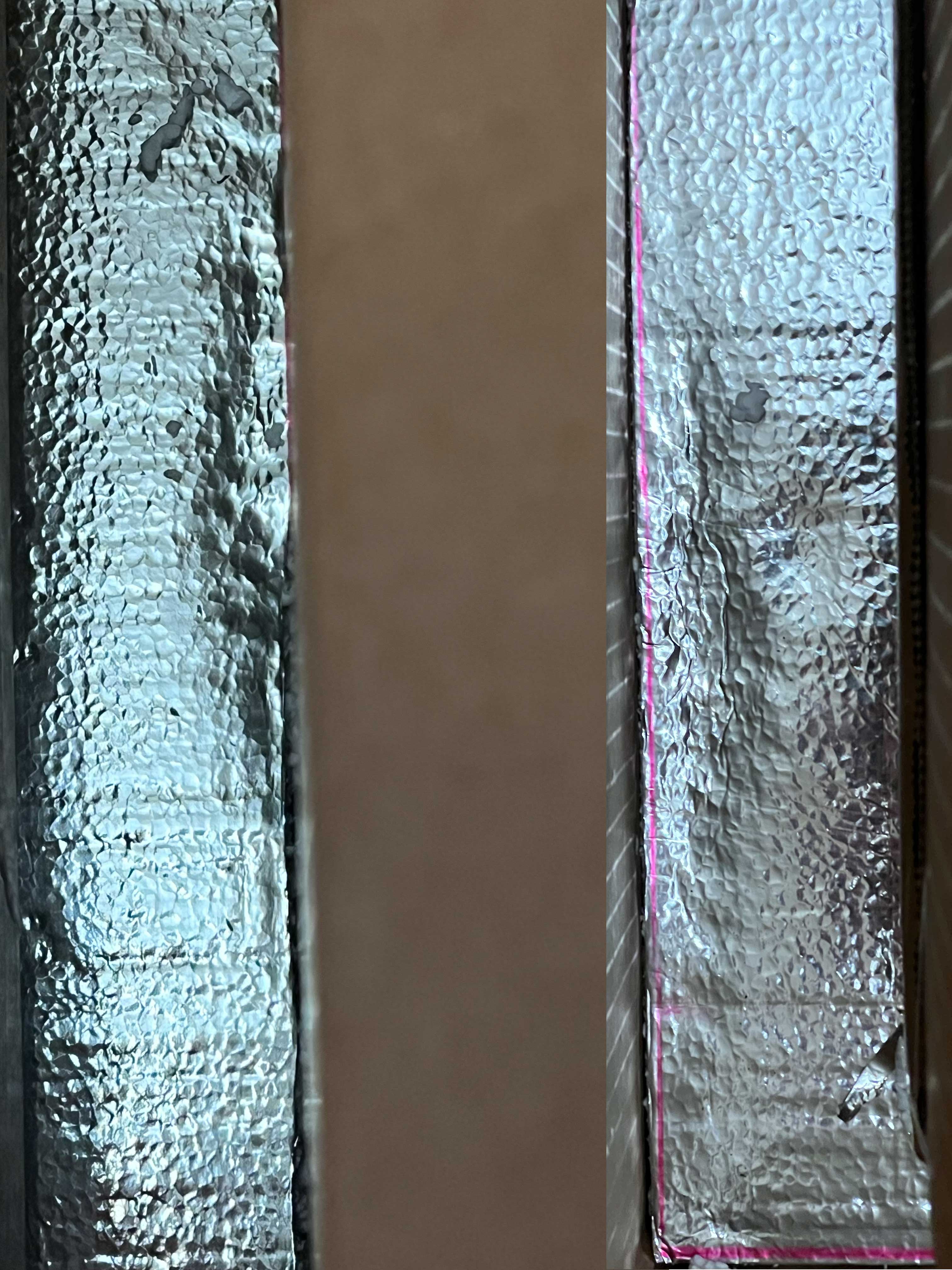
Looking at the bottom layer of foam below where the speakers had been, notice the indentation. The weight indented the foam instead of digging into the box and possibly pushing it out and apart. The foam indentations are exactly what we wanted and is something I’ll be referring to frequently in some detail throughout the rest of the unpacking. Bubble wrap leaves no trail of evidence of what happens in shipping. Foam insulation does though...
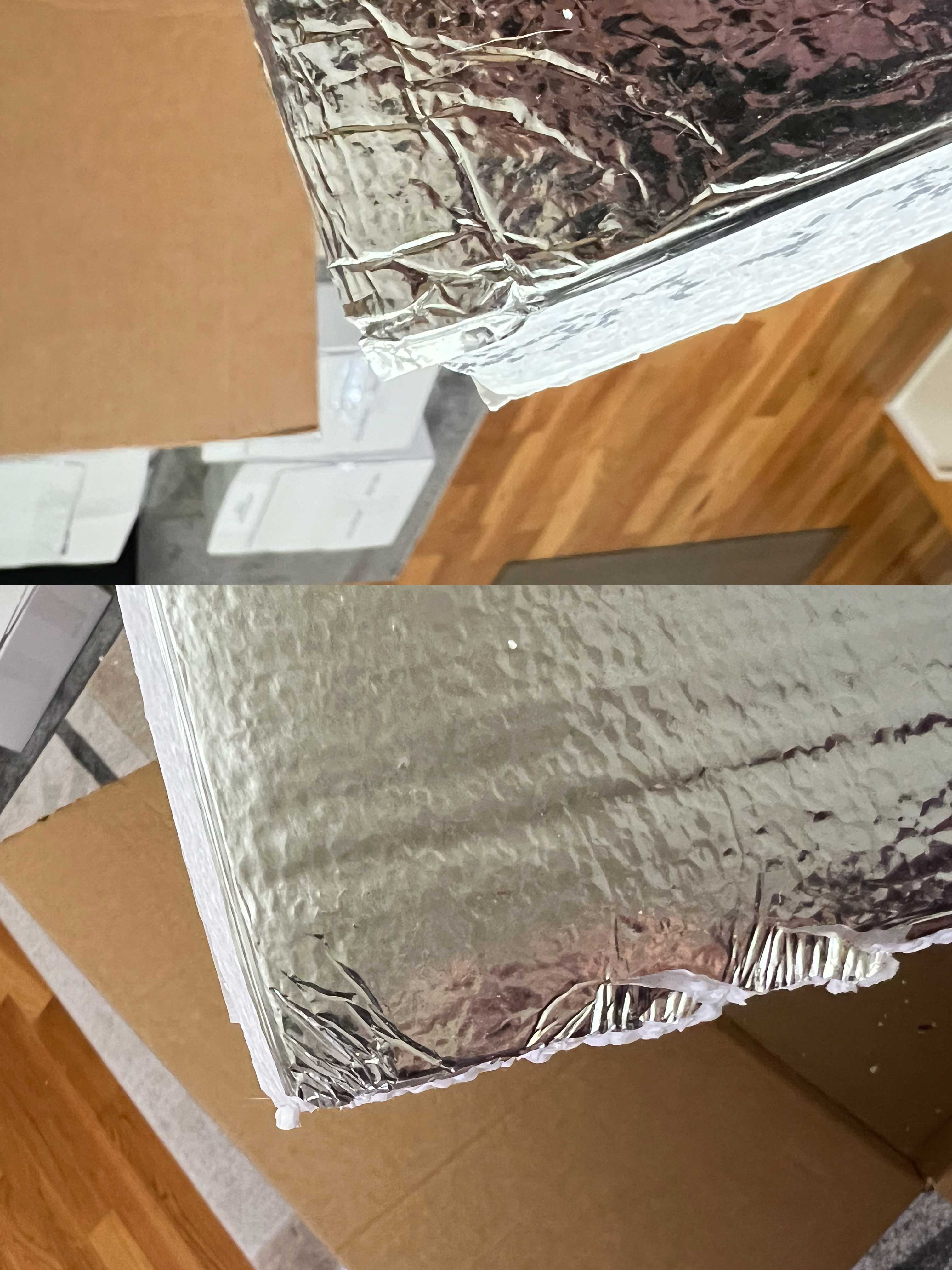
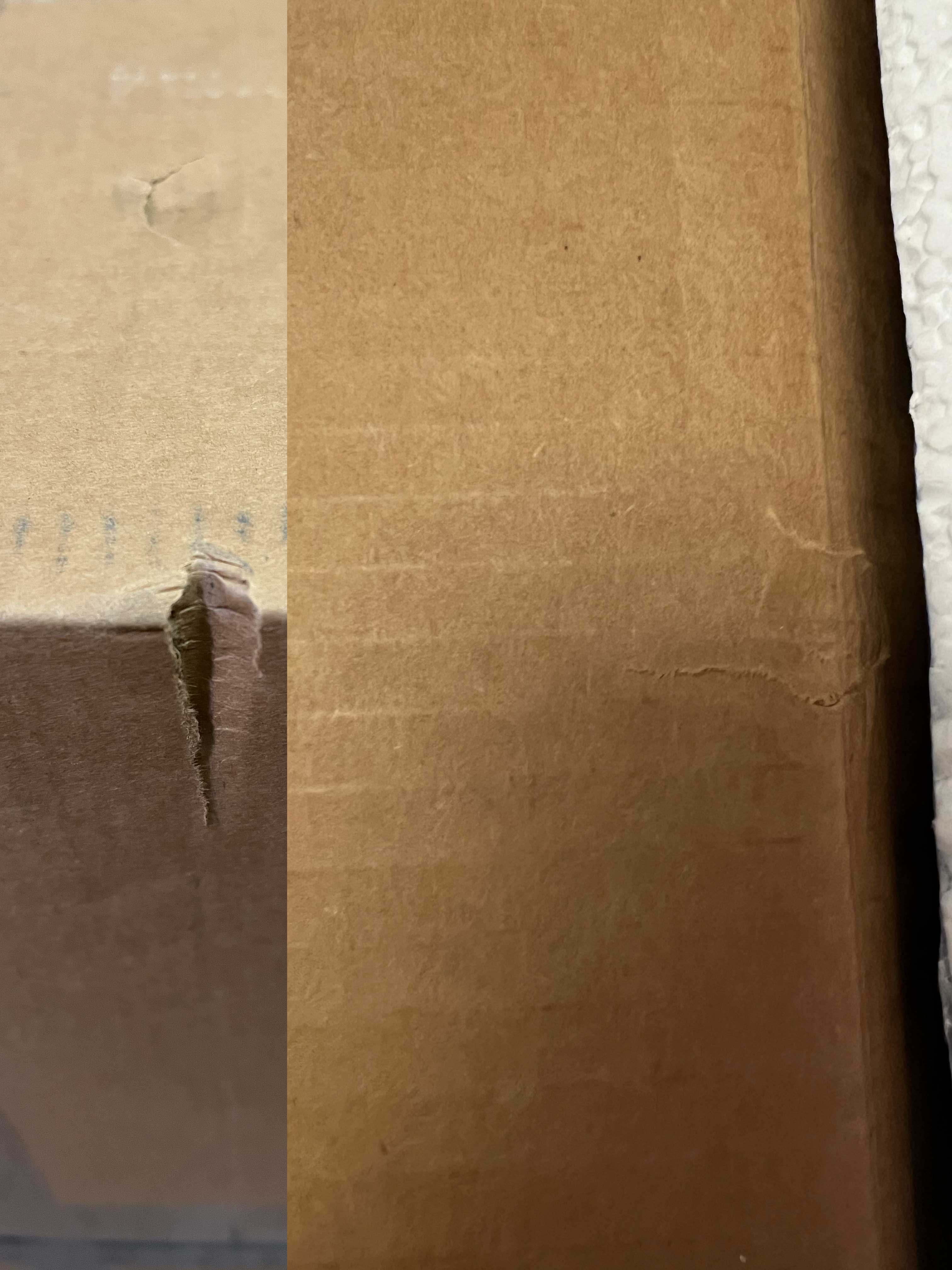
Now let's look at the inside of the box where the corners were damaged. Both sides are shown since both corners were obviously stressed.
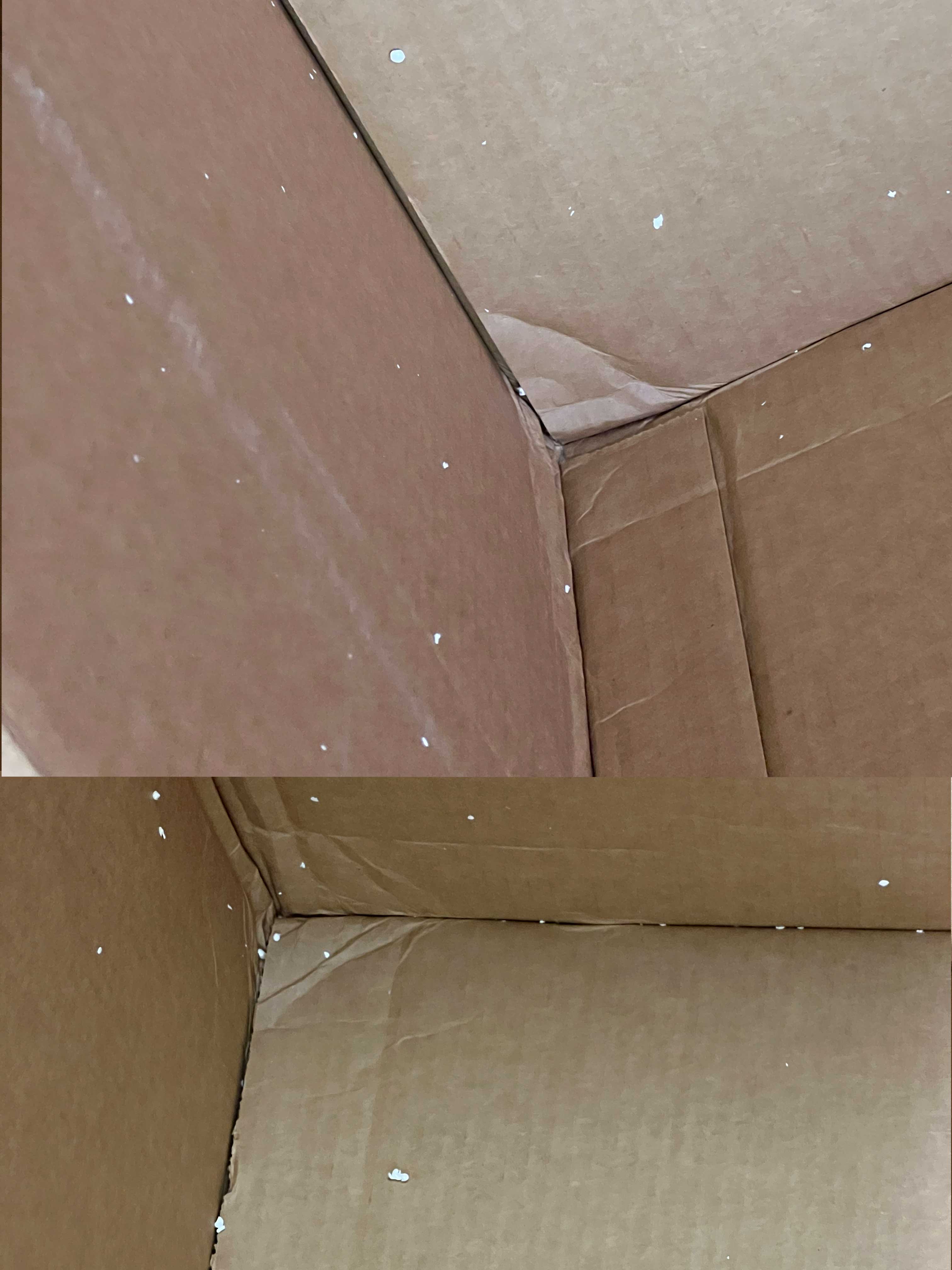
But instead of impacting the speakers and instead of the speakers shifting, the underside of the foam shows perfect protection. The impact bent up the bottom layer just enough so it is no longer perfectly straight.
Even more telling, the corners of the foam took the force of impact, saving the contents from shock. The two pictures below in the collage show both sides had forcible impacts.
Again, FedEx was going to charge $100 to pack the boxes. These foam sheets come in 4x8’ sheets are were about $35 at Home Depot.
All the shipping materials were placed neatly back into the box and stored away in the attic.
The speakers were placed into groups and the four Eminence boxes were opened to confirm no damage at all to the cones.
Reverb Tank and Tubes:
What’s a Super Reverb without reverb. Most would probably tell the rest of the story in a one sentence written validation: “everything got here safely.” Because how interesting can a blog about shipping methods be.
But without pictures, I could be lying.
It’s harder for people to earn my trust on the Internet than in real life so I would not ask anyone else to blindly trust me either. And therefore, we’re just getting started with the documentation!
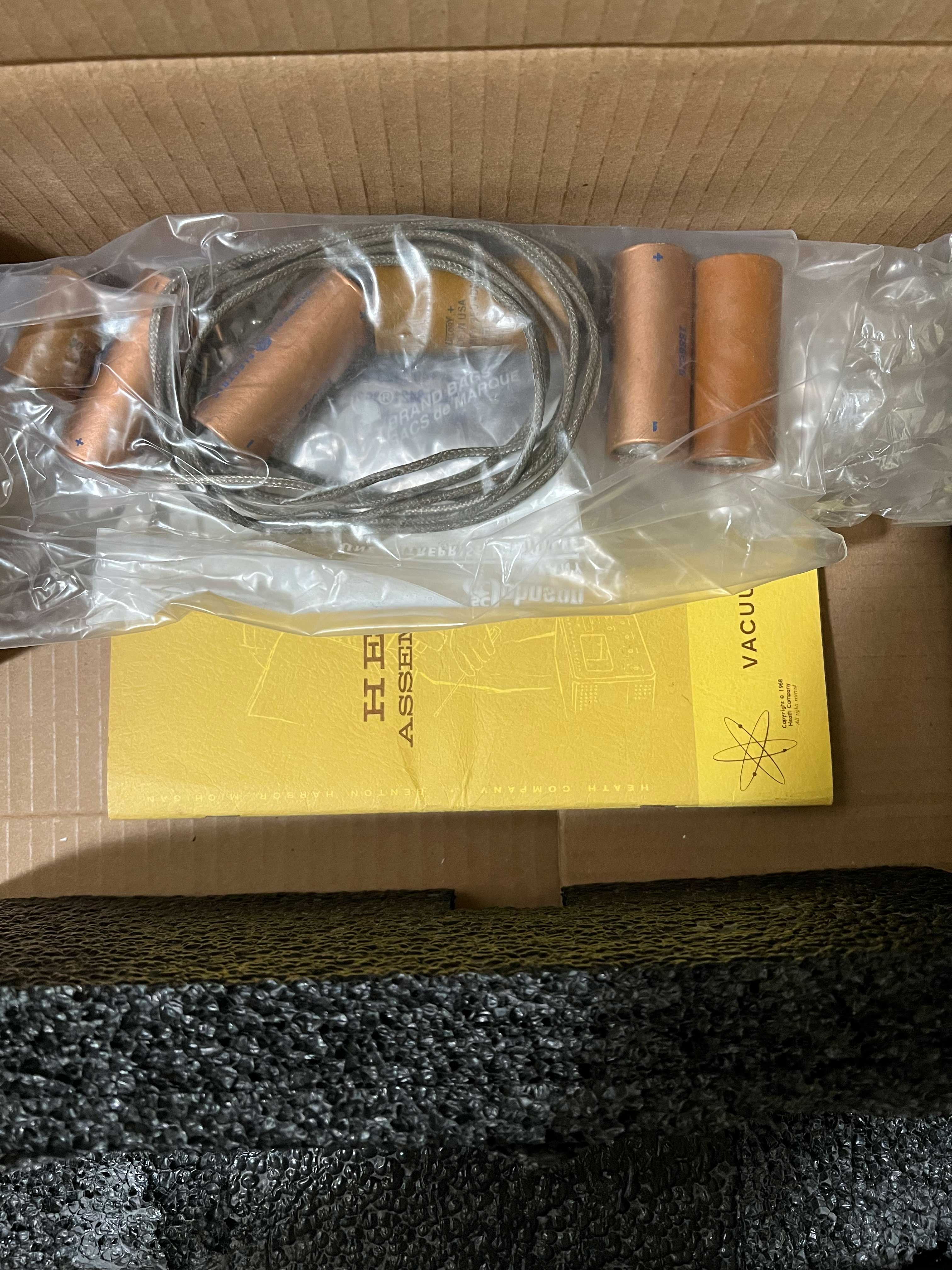
Opening up the box with the tubes, reverb tank and hardware revealed absolutely no shifting whatsoever and it looked like a time capsule from when it had been packed.
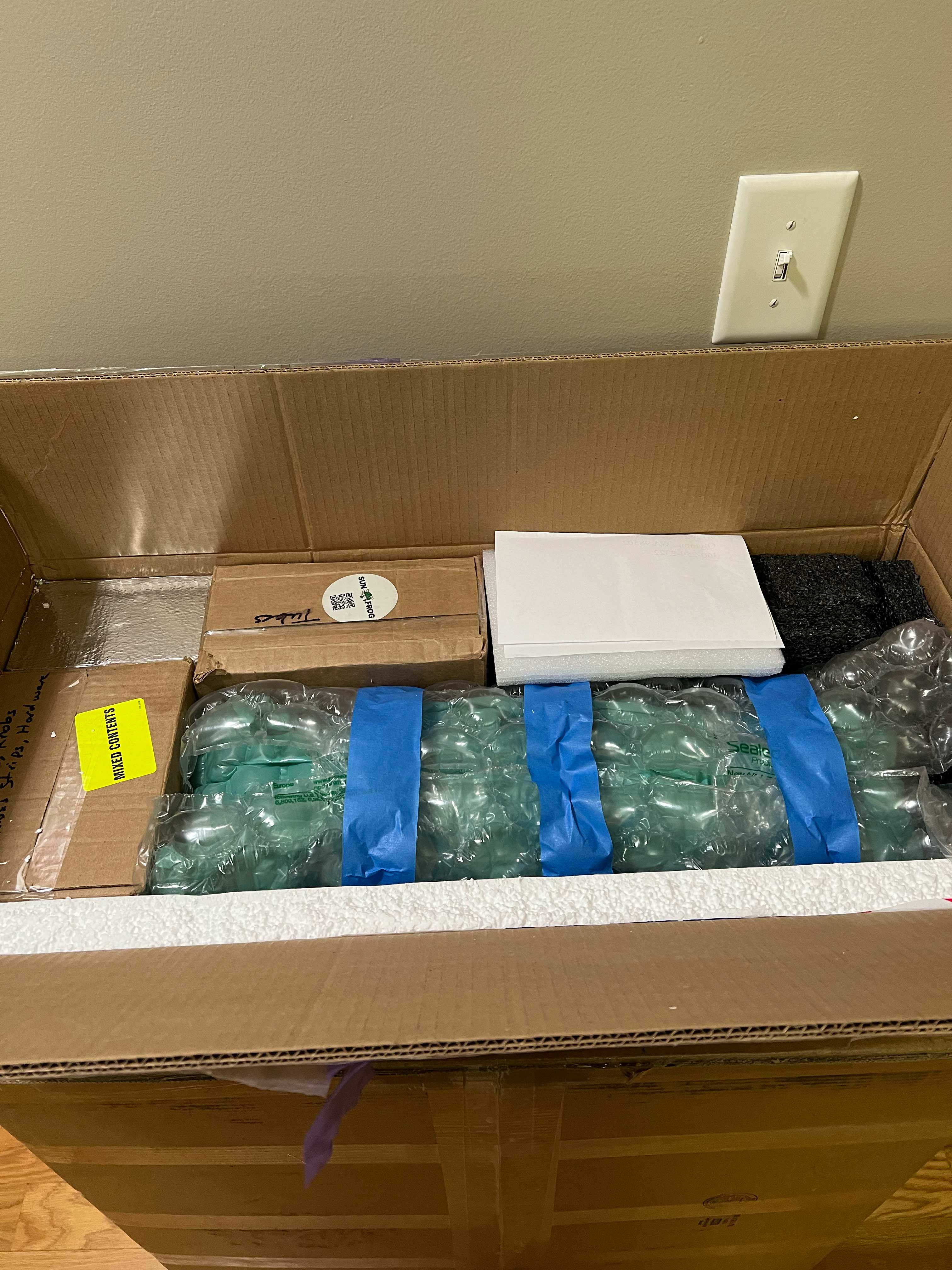
Since the amp is not clean enough to merit museum treatment and the ethics of re-stuffing electrolytic capacitors to command a higher resale value is open to debate, I have no intention of restuffing the original caps. This was purchased to remain my personal amp. But it was sure nice that Emerald City Guitars’ tech on call (Solderhaus) saved all the parts he removed. All were included with the original speakers in the resale.
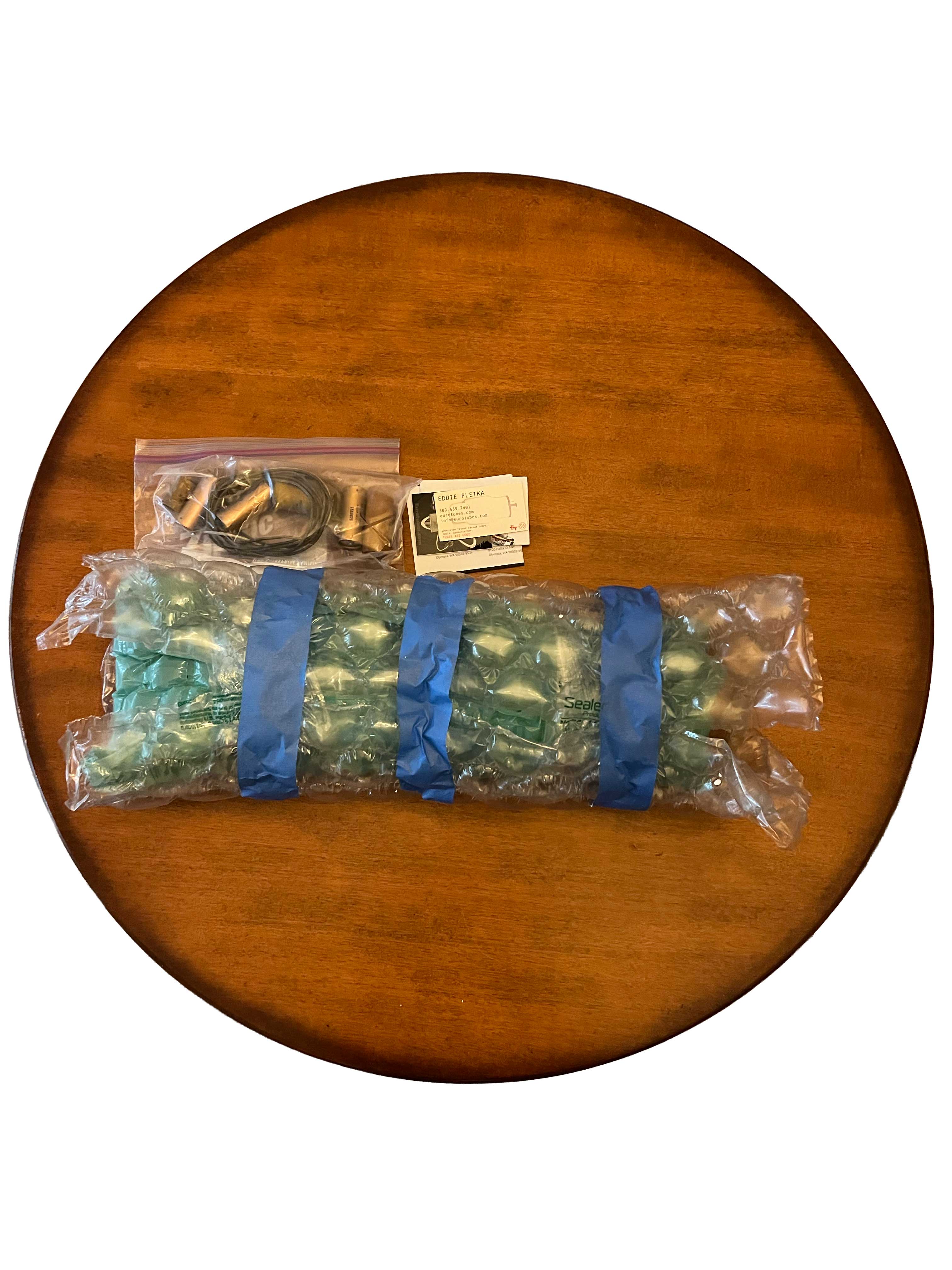
The reverb tank and original parts were placed on the table next to the Eurotubes business card.
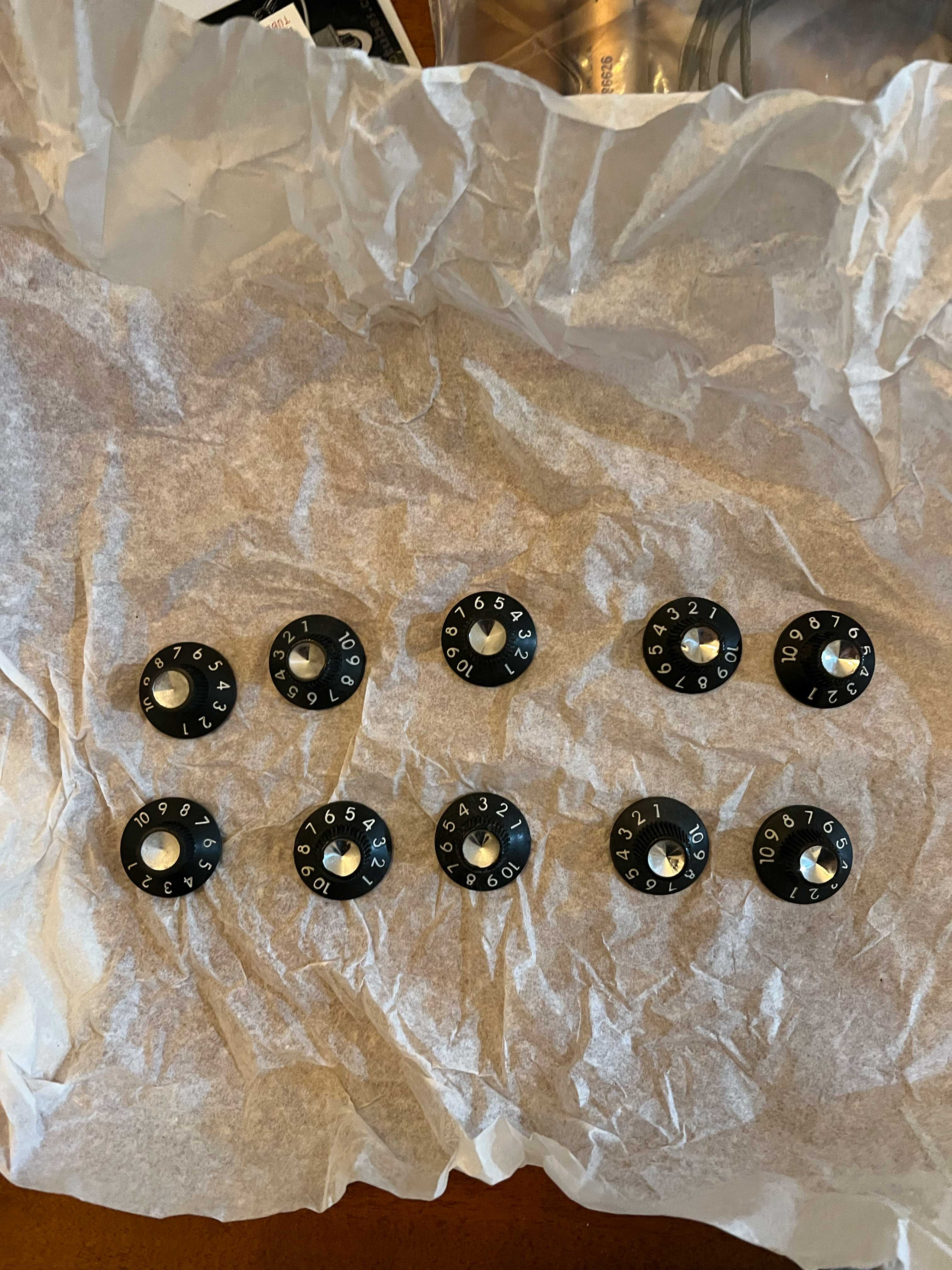
As documented much earlier in this series, the only reason the knobs were removed is because the faceplate was removed to straighten it out and repair the bends. As I will be servicing this amp later in the year (now that it’s in Nashville with my test equipment and workbench) before putting it into rotation, it’s entirely possible and even likely that I may need to remove the pots and front panel again. Under those circumstances it was more prudent to pad the knobs and ship them with the tubes.
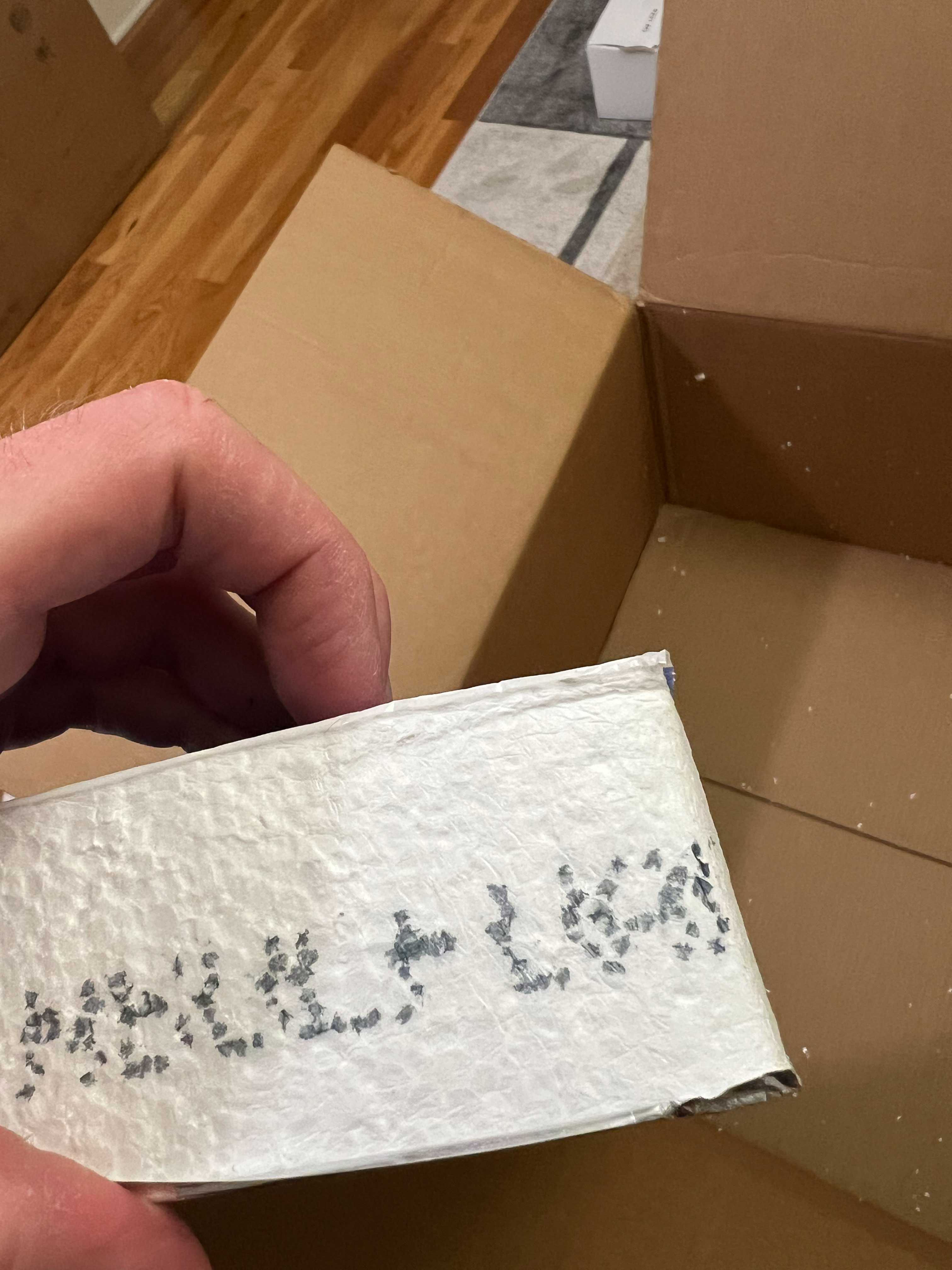
I didn’t show exactly how those knobs were padded in the process, but it involved two layers of of paper and they were all protected from weight and impact by anything else that could crack or otherwise damage the knobs. Two are non-original but the rest show the correct 1960’s snowman 8 font. All were laid out here to show they all arrived safely.
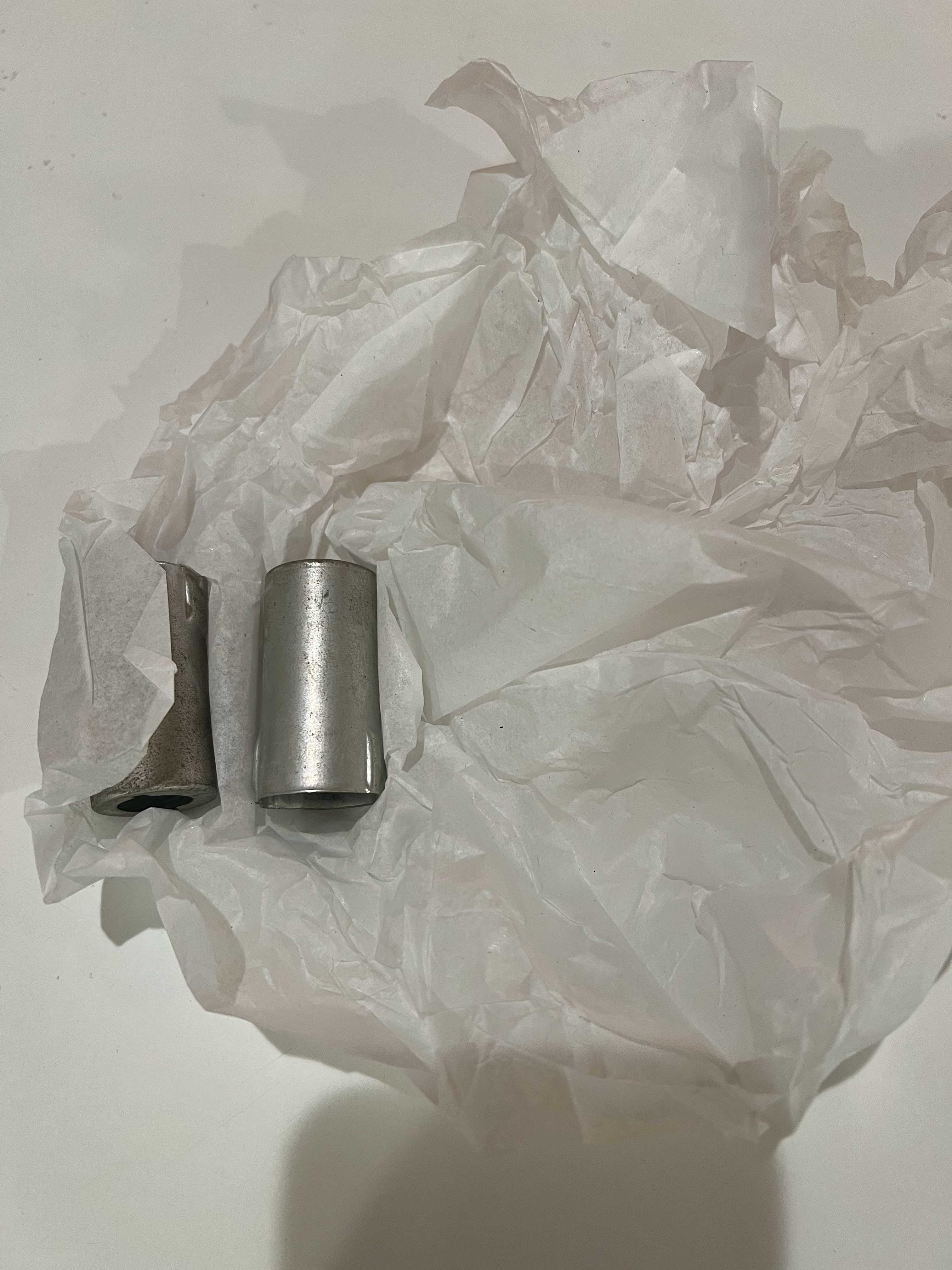
The tube shields were also padded and arrived as they left:
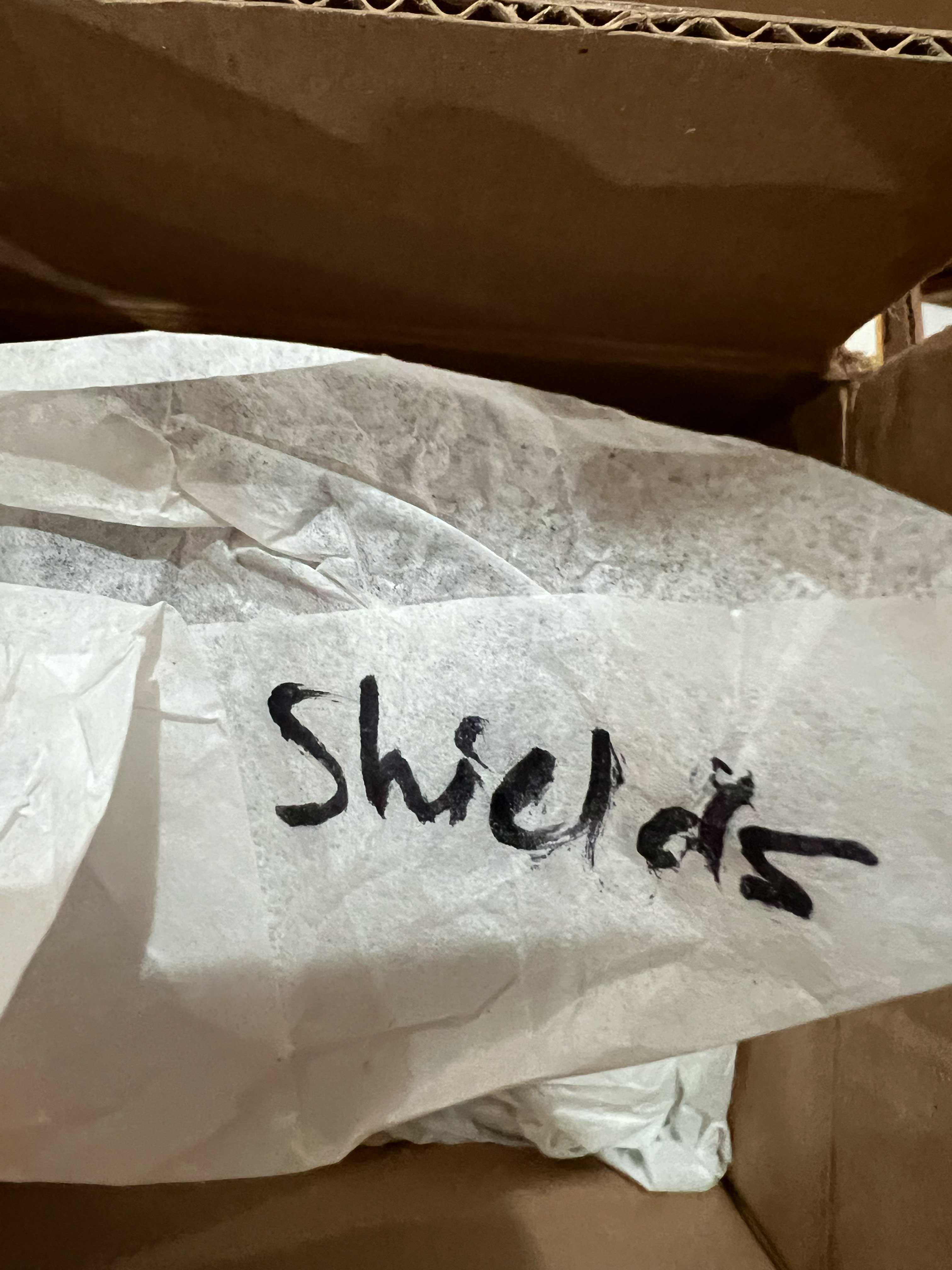
Pulling back the layers to confirm:
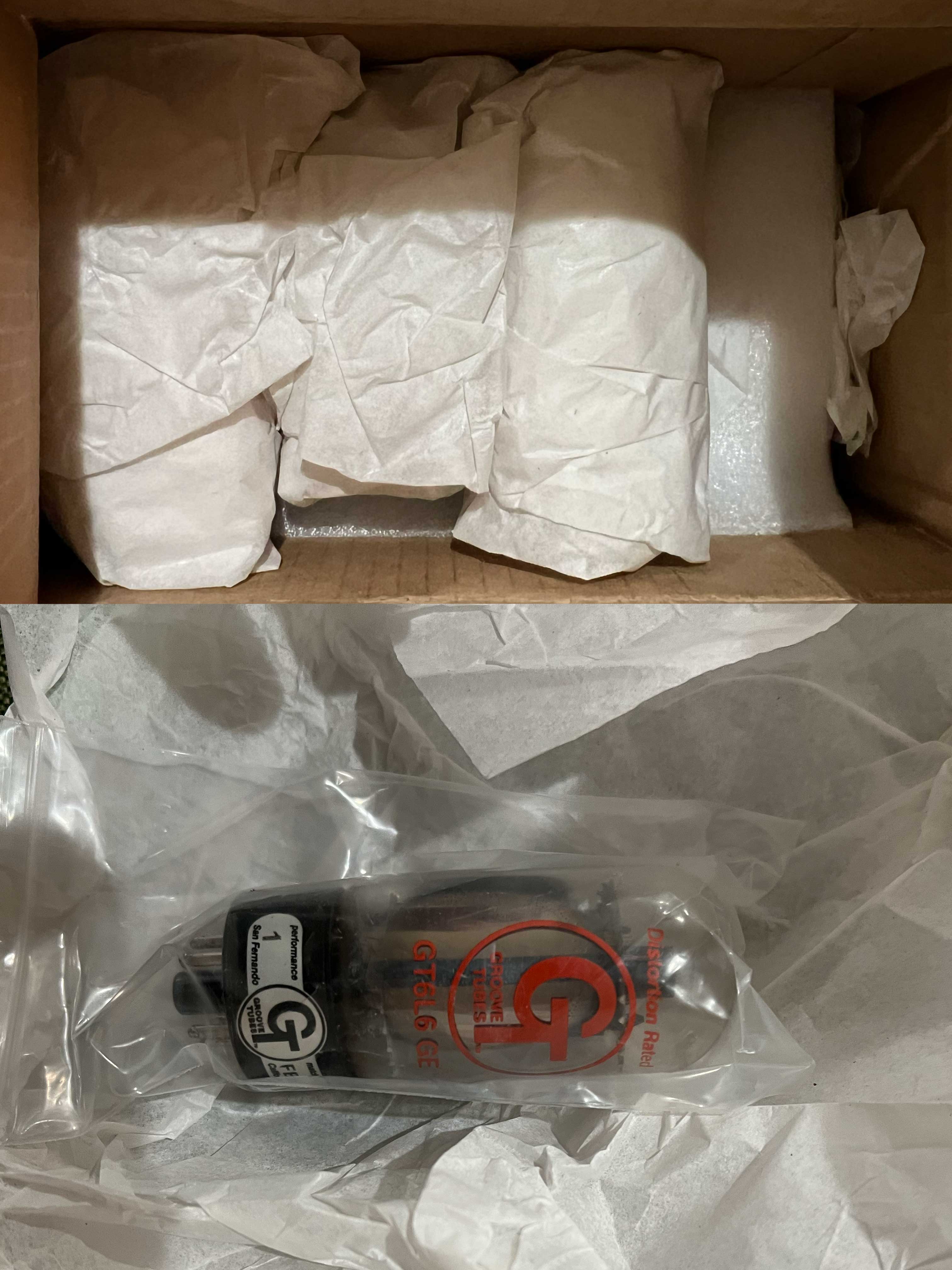
As for the tubes individually wrapped and padded within their inner box, here’s an unwrapped 6L6GC beneath an image showing the rest of the tubes still padded. The tubes got here like a Champ (pun intended to Leo’s early model, the tweed Champ!). No broken glass.
Cabinet:
While I am not retracting what I said in Part IV about this probably being good enough to pack an entire amplifier, nothing about what I did feels as overboard as it originally did. Not because anything was damaged, it wasn’t. But precisely because nothing was damaged.
Opening cabinet box, the markings made everything very enjoyable to unpack.
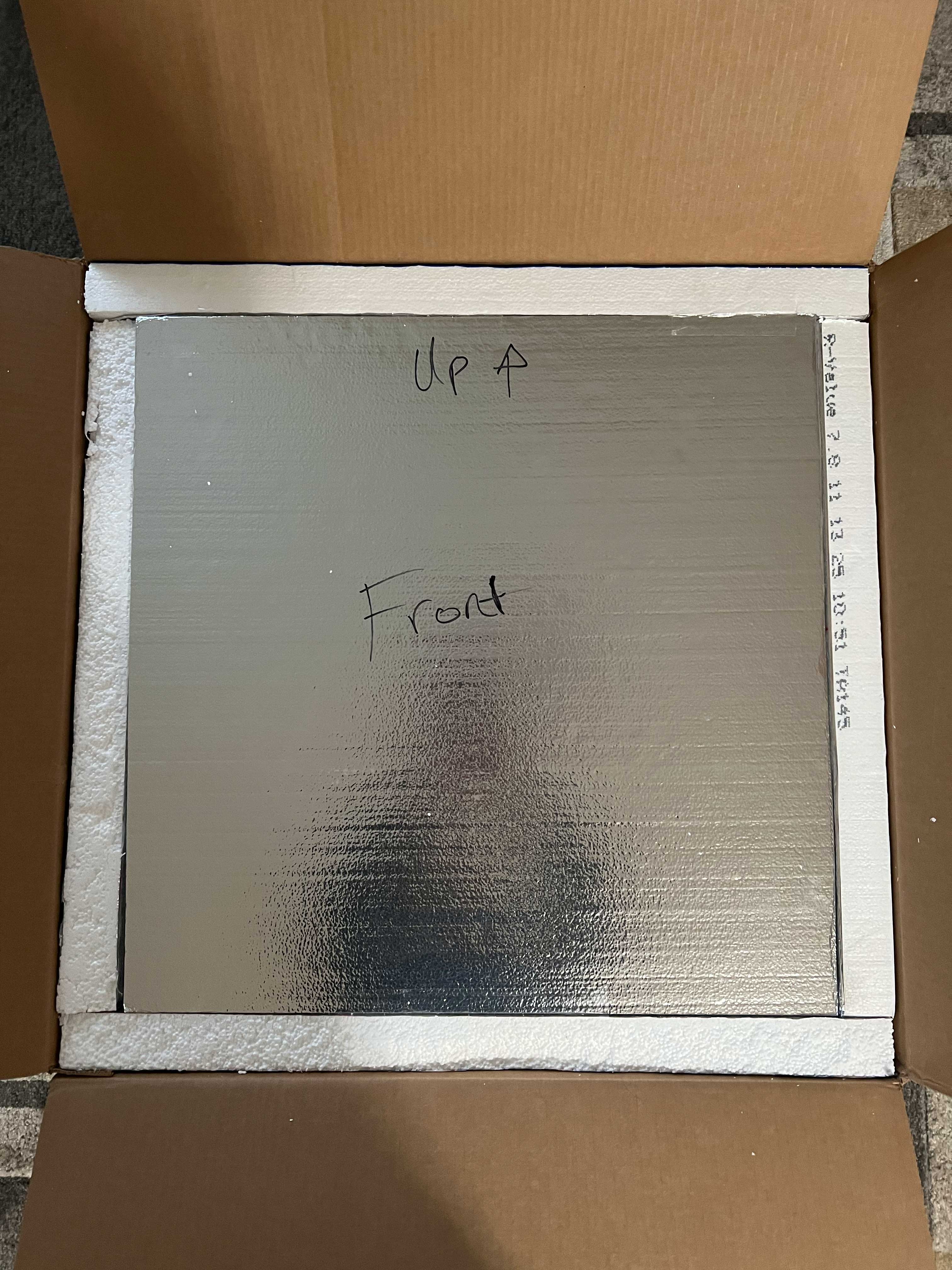
The double padding of bubble wrap below the top sheet of foam shows no signs of deflation or wear.
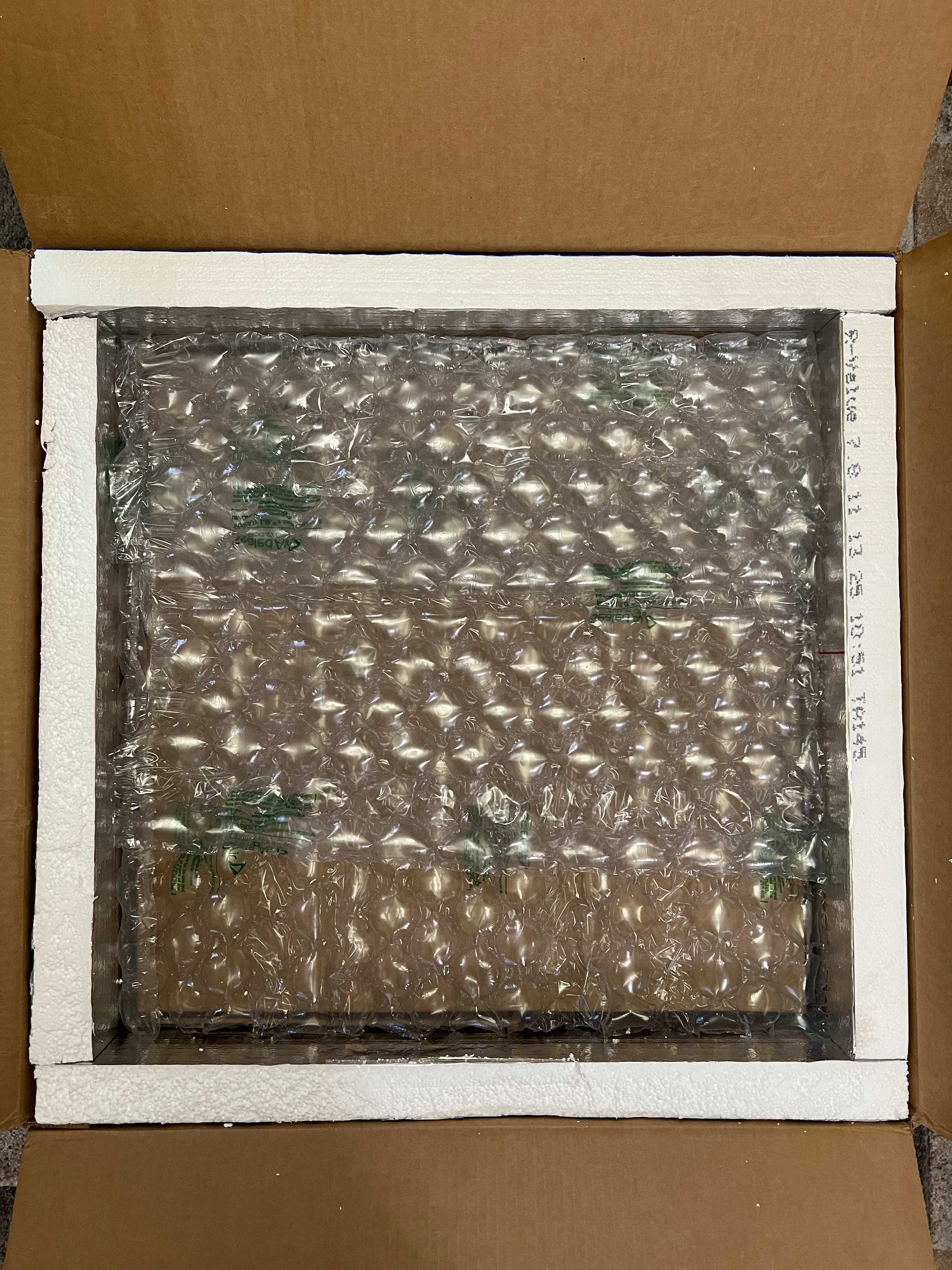
The deep indentation on the outside of the box did extend through to the inside, but because these were heavy duty double-walled boxes from my next employer if I switch careers to work at an Uline warehouse, the extent of the abrasion was minimal inside the box. Had the box not been as strong and had the foam insulation not been in place, things may have looked much different from the inside of the box.
Looking at the indentations of the foam below, I suspect something heavy was likely placed on top and exerted downward pressure in shipment. Yet no damage could occur at all because the walls of the foam barrier were above the height of the cabinet when double-boxed, and the foam on every side made it impossible for any force to transfer energy.
I could see indentations all around the foam perimeter but it was packed in such a way as to make it impossible for that energy to be transferred to the cabinet. And without the chassis or speakers, it was impossible for any energy to rip a cabinet apart.
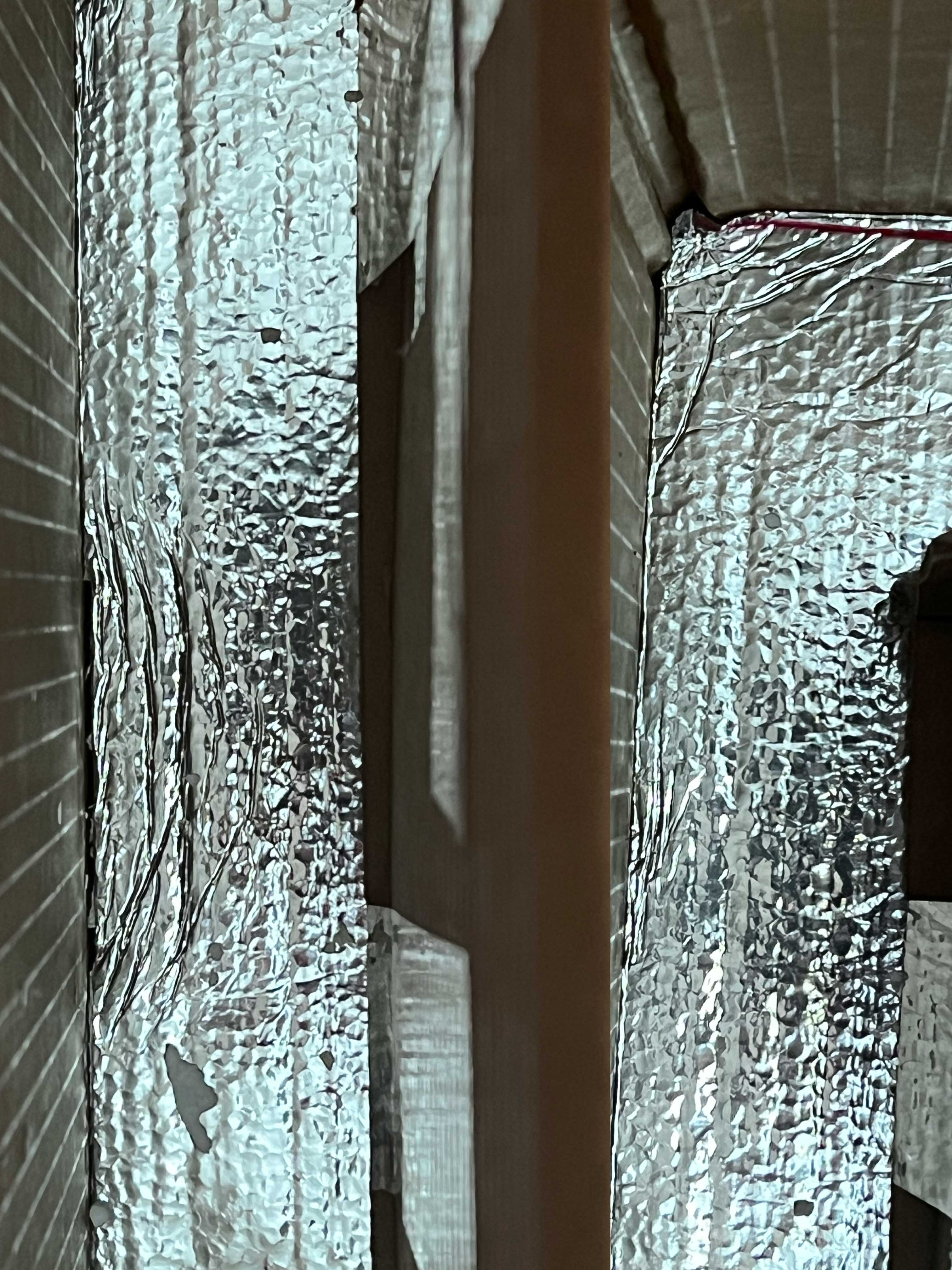
Additional signs of the awesome absorption power of foam was evident on the face of the side pieces:
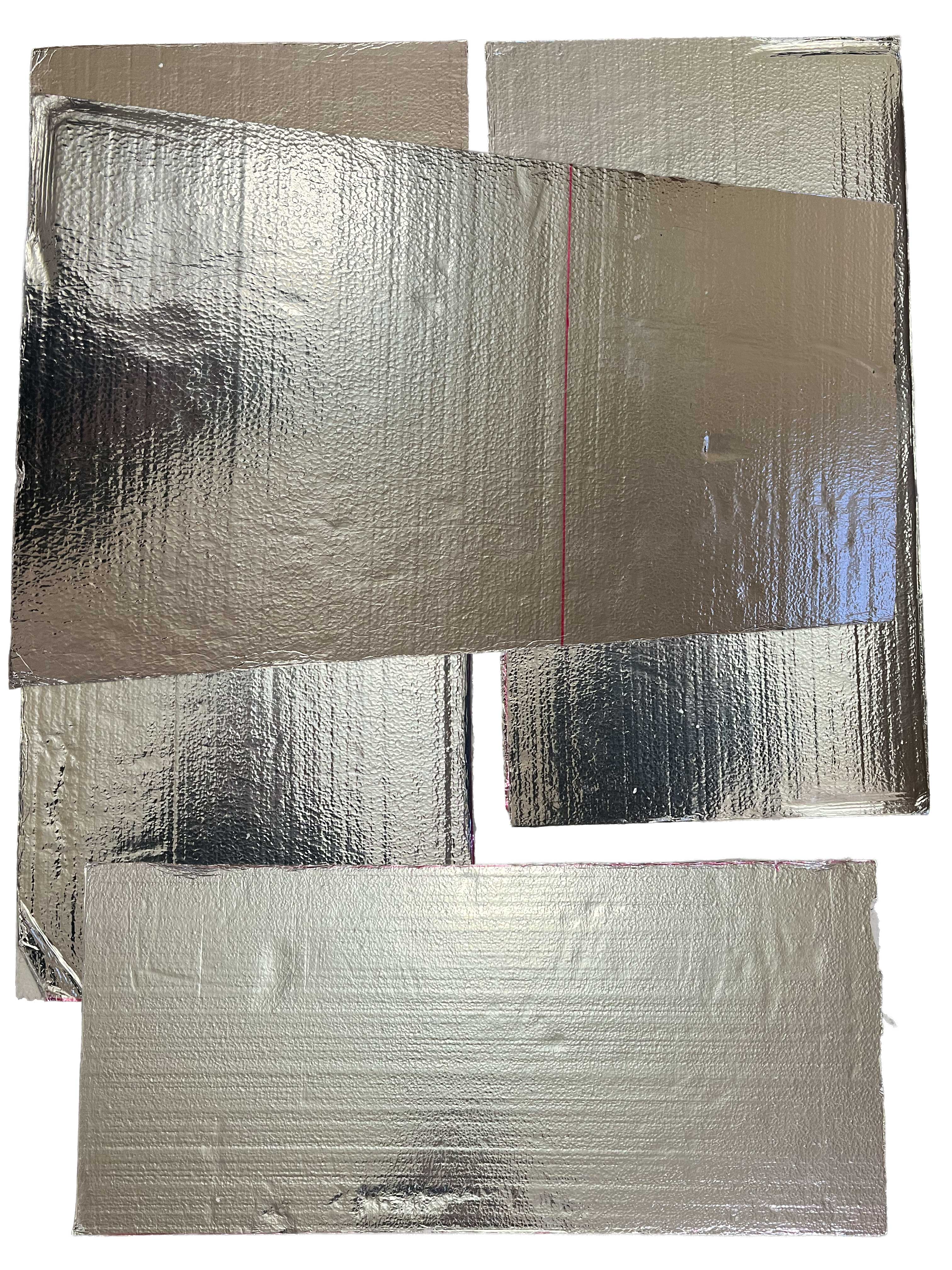
But the inner box with the 1966 cabinet fared well:
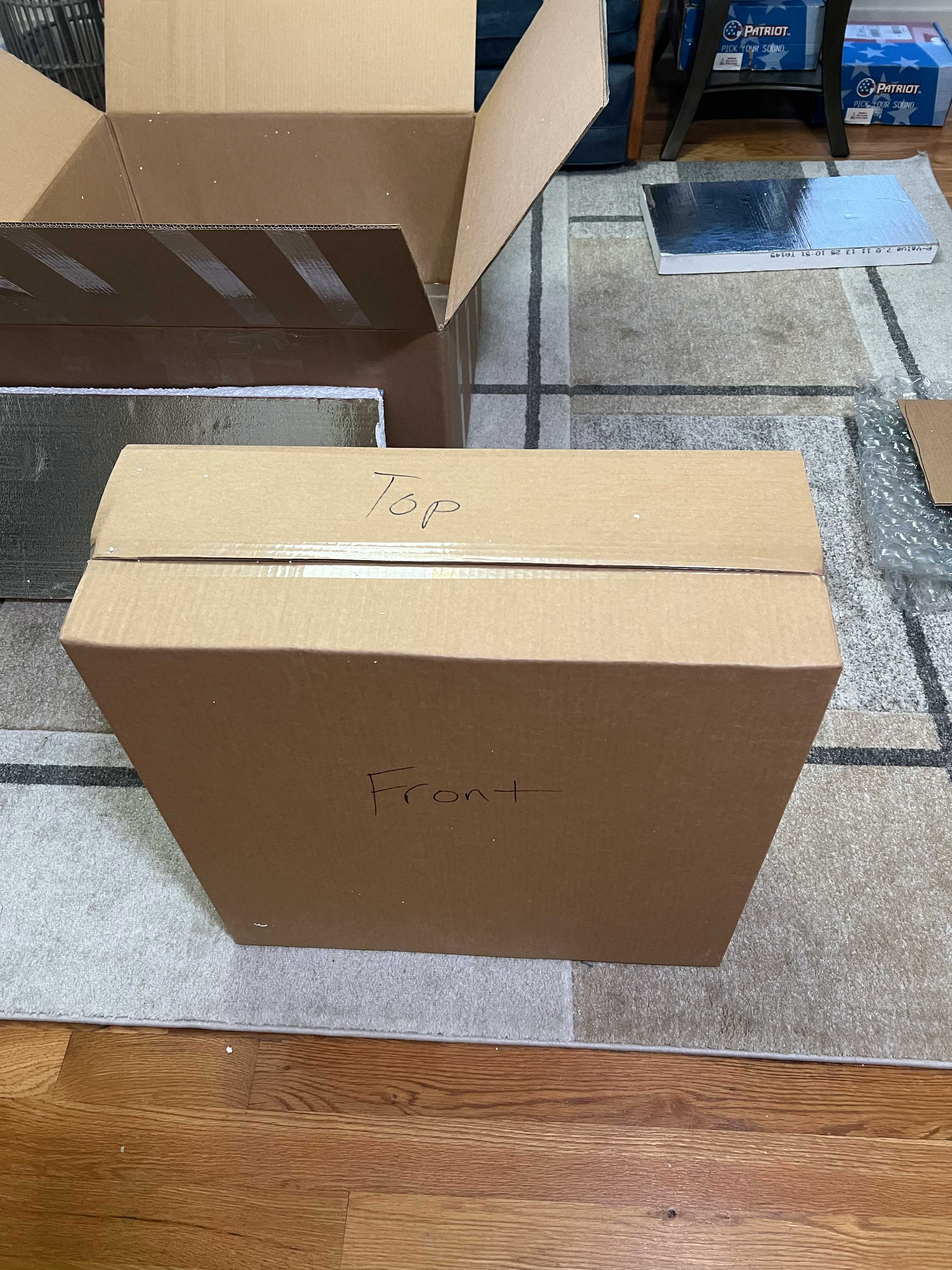
Opening the final box, we could have found the same fate that Guitar Center caused on the ’71 Twin. But it was so well packed with no possibility at all for shifting that the top was immediately noticeably perfect. No stress or damage to the top joints.
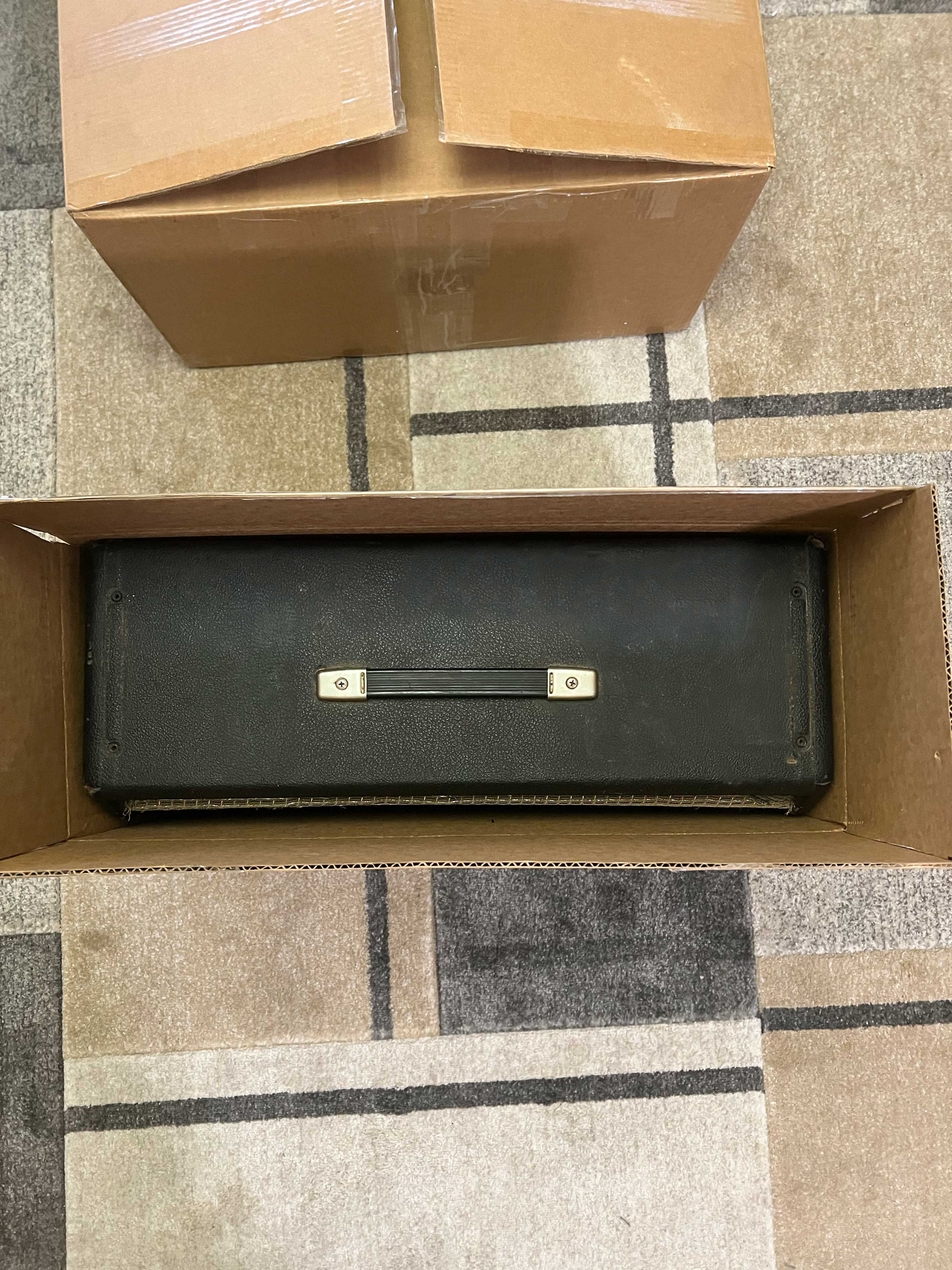
How about the bottom joints? All I see is an aged pine cabinet with distressed tolex. No damage.
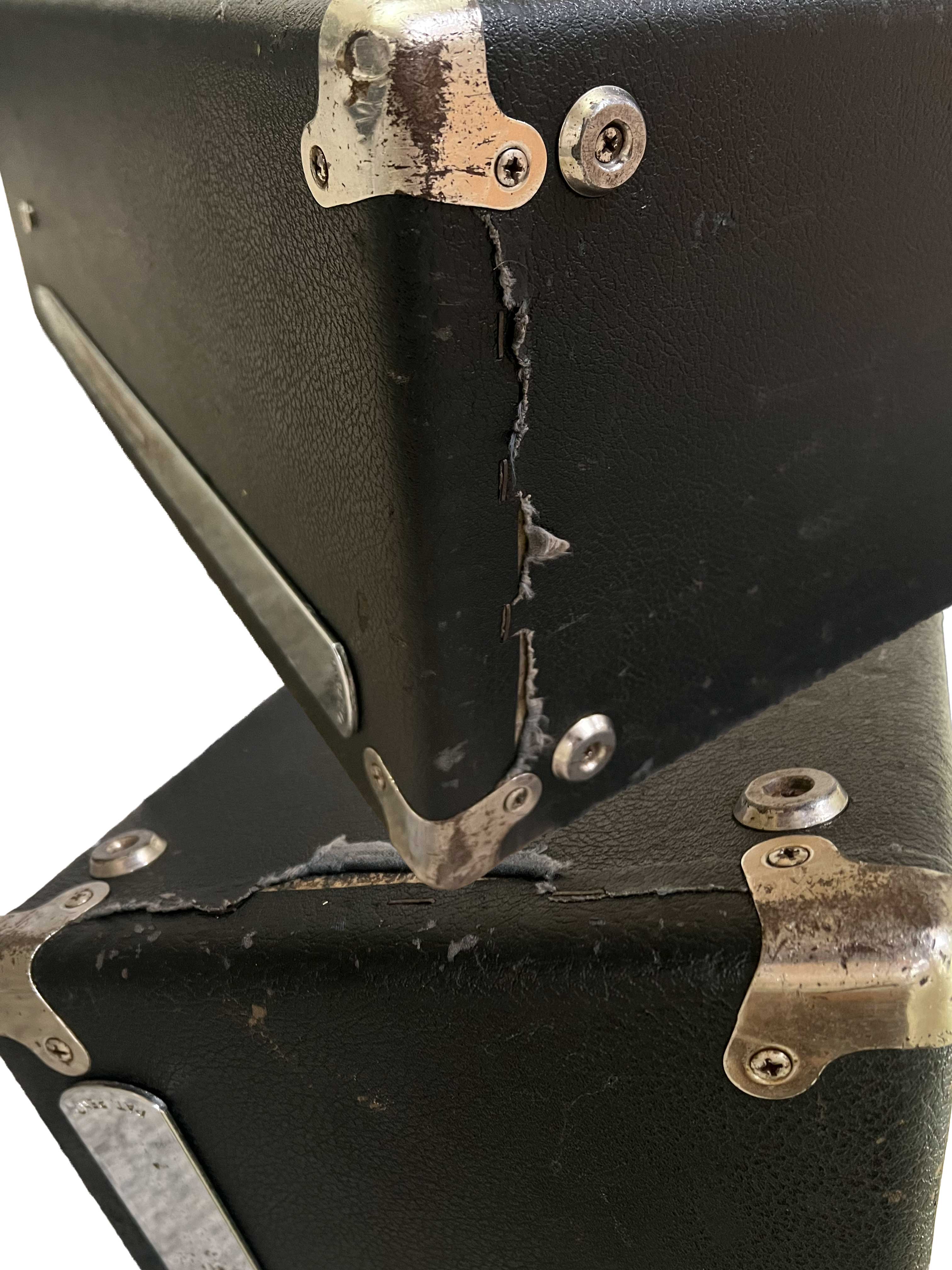
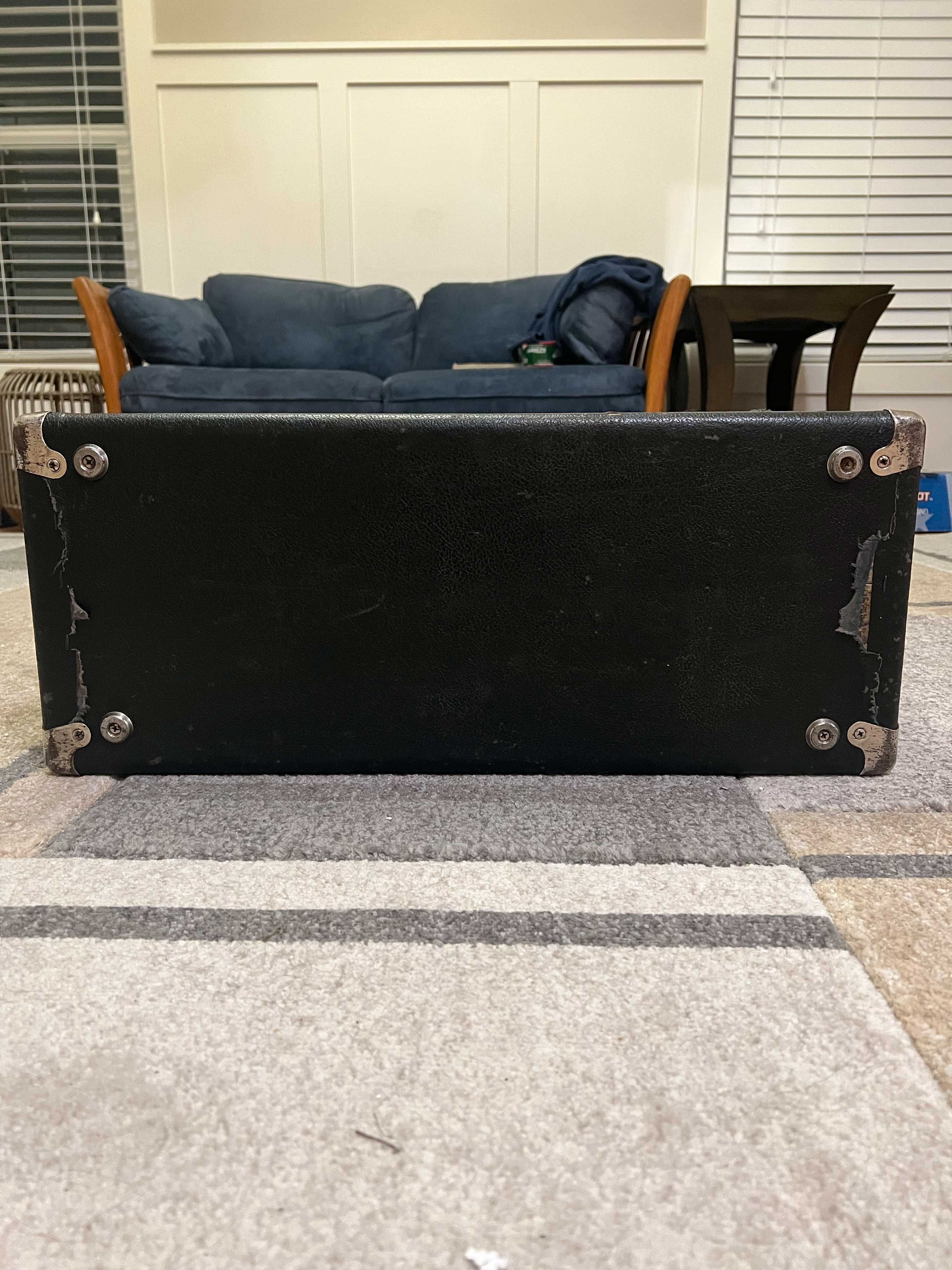
Did the back of the cabinet make it intact? Any damage to the top or bottom covers? None.
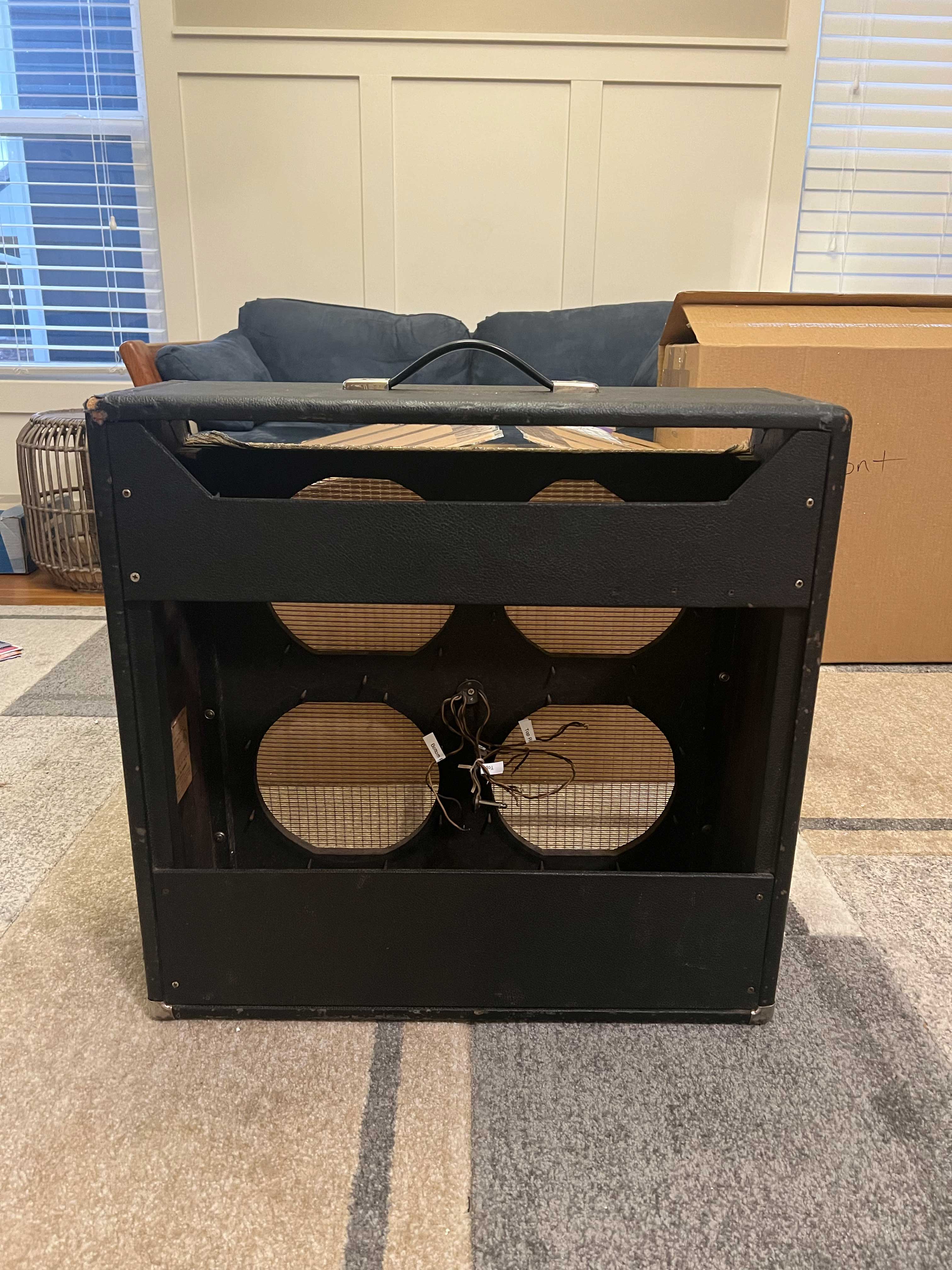
What about the sides? Just as it was purchased. Look, this amp was well loved, not mint. No damage.
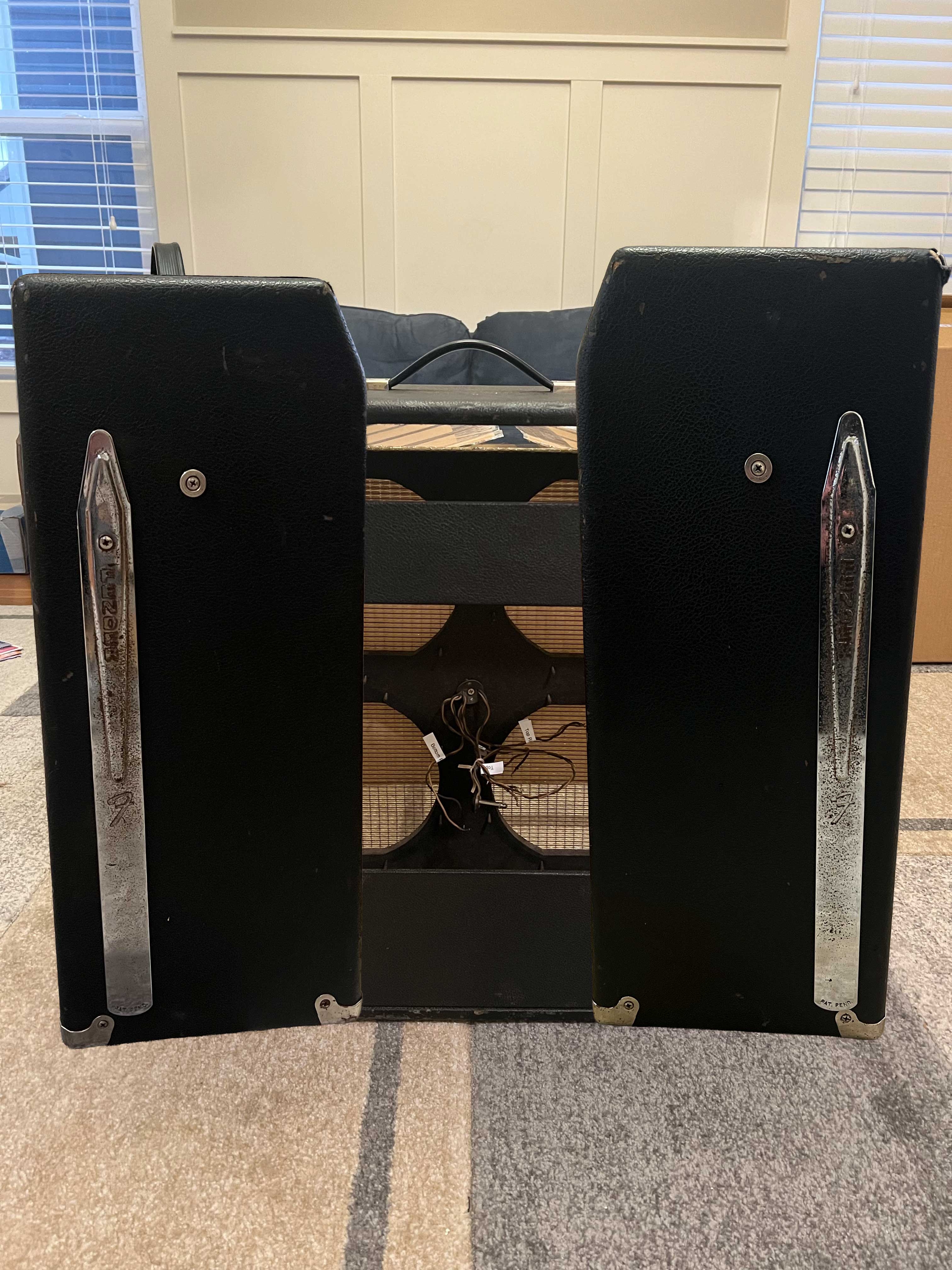
Will Dyke at Amarillo Amp Works was extraordinarily gracious with his time and did not have to even reply to an email (AER Amplifiers in Germany and T-Rex in Denmark are both on my never do business again with list). But not only did Will write back, he answered all my questions and verified the integrity of the cabinet as-purchased. The grill cloth was the obvious issue from the beginning. Depending on how in love I fall with the amp or not after servicing it, he will be the guy to build a replacement baffle board and relic the grill cloth…there are photos on his website and the work he does is extraordinary. Here is the original front with either coffee or beer stains (the owner couldn’t remember which) still visible.
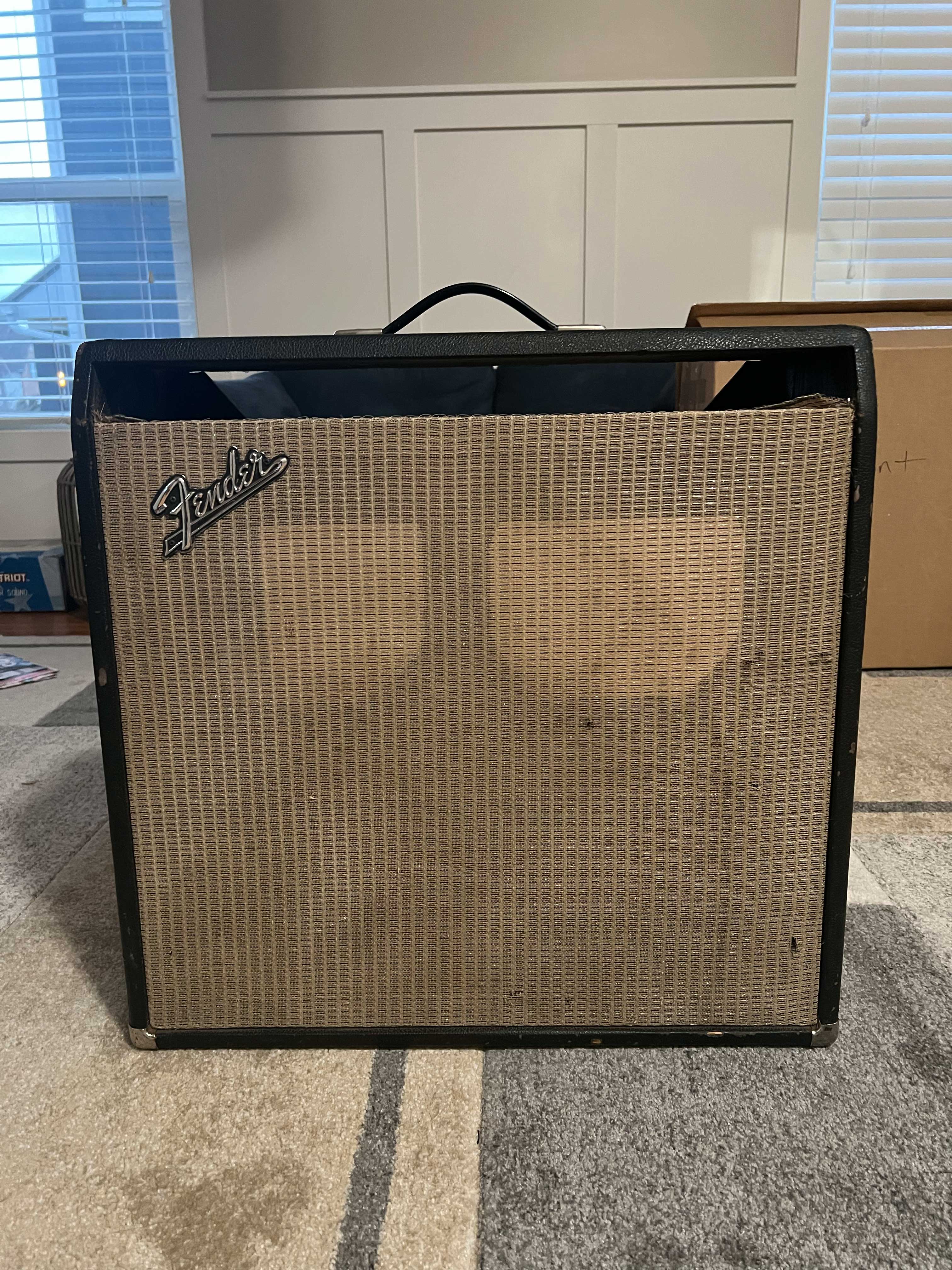
The reason for not working to remove the stain is the particle baffle board, which I did not to be damaged by moisture. I’ve learned enough about Leo’s old amps to know when to cut your losses. The only effective way of cleaning the cloth would be removal and reinstallation. The baffle board was in great shape upon purchase, let’s not screw it up now. Remember the second Guitar Center disaster chronicled earlier in this series, where they wrecked the baffle board of the ’65 Twin Reverb in shipment. There was no damage whatsoever to the baffle board getting this Super Reverb from Olympia to Nashville via FedEx Ground during the ice storm of January ’26.
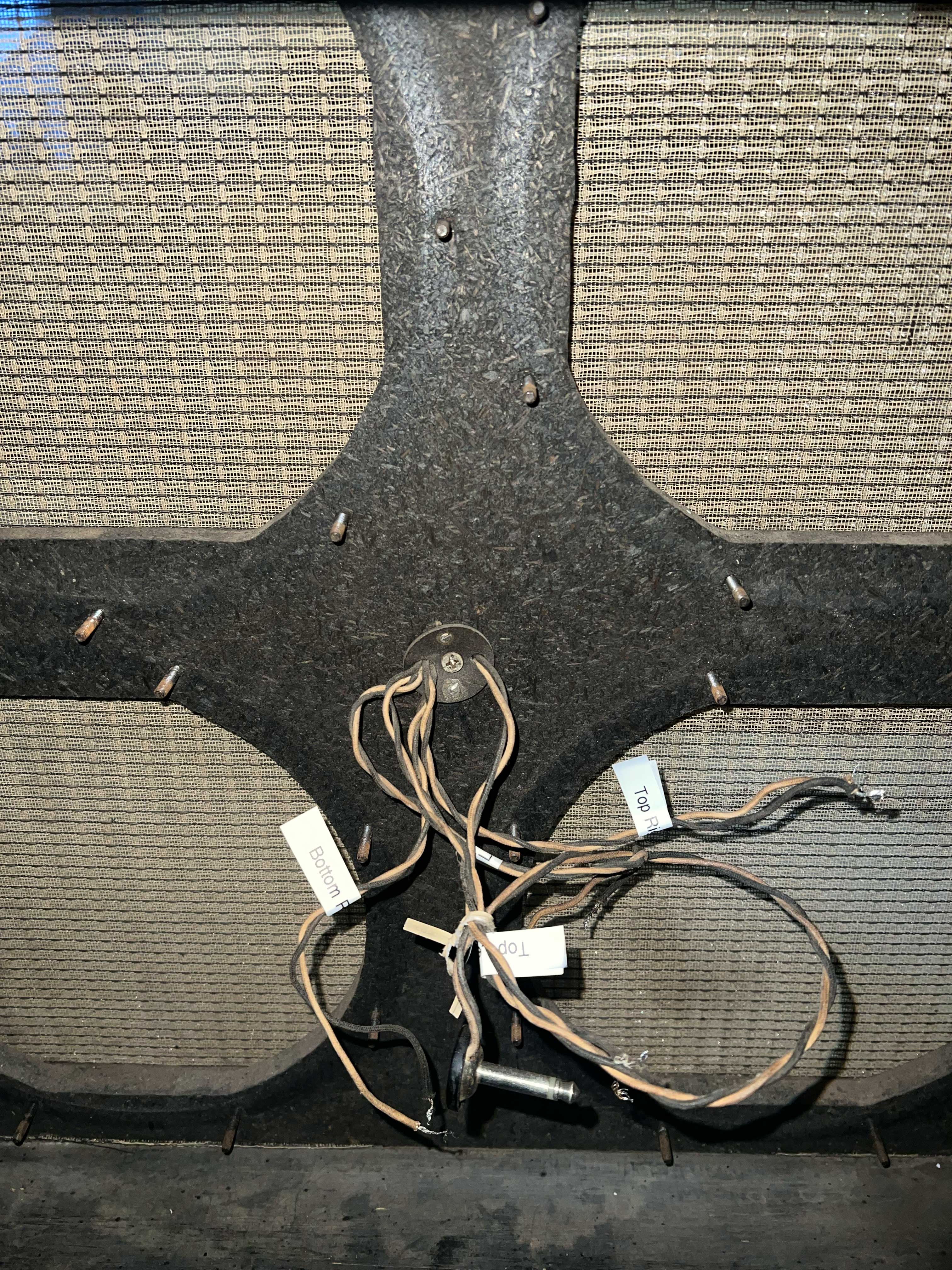
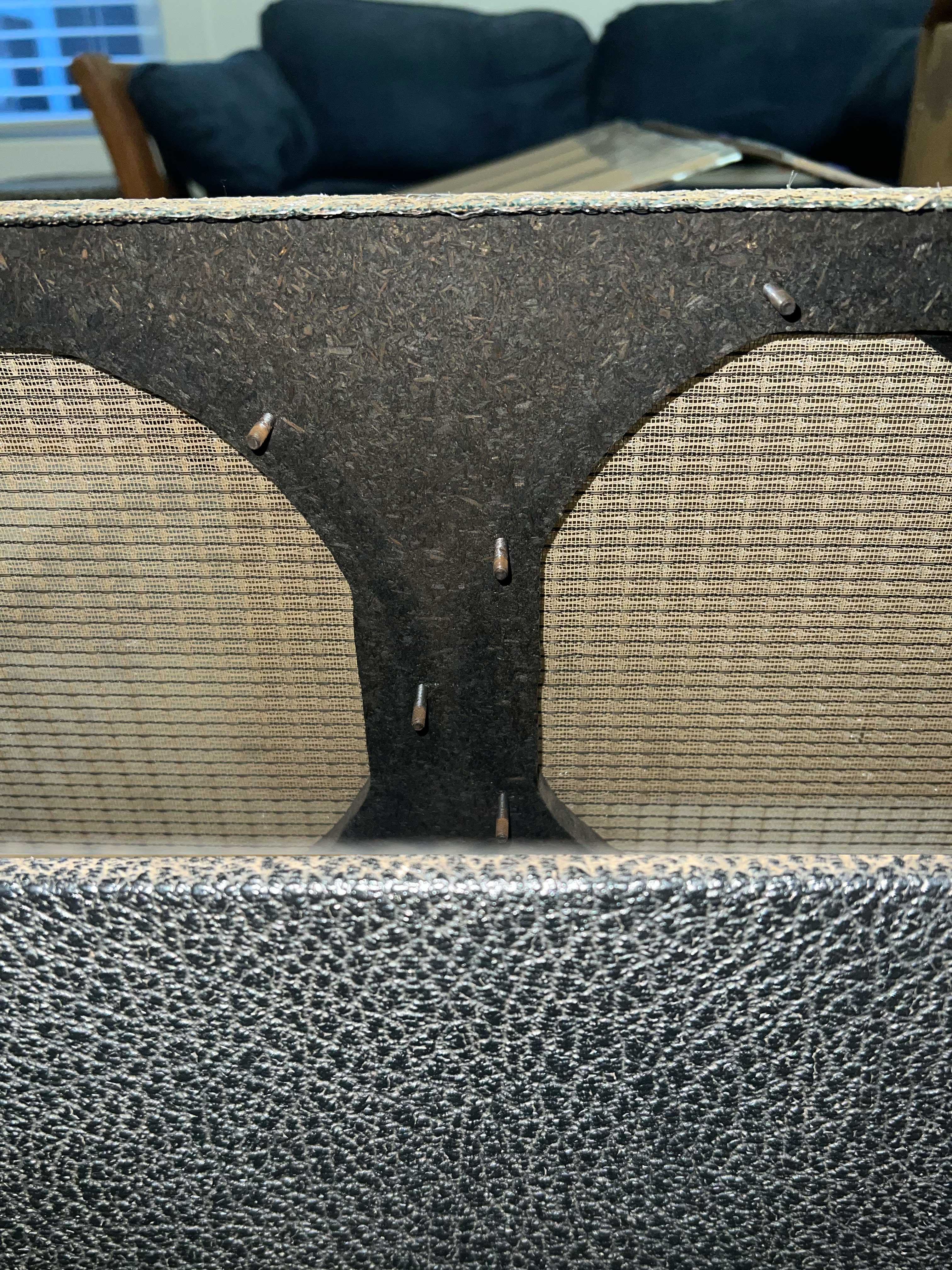
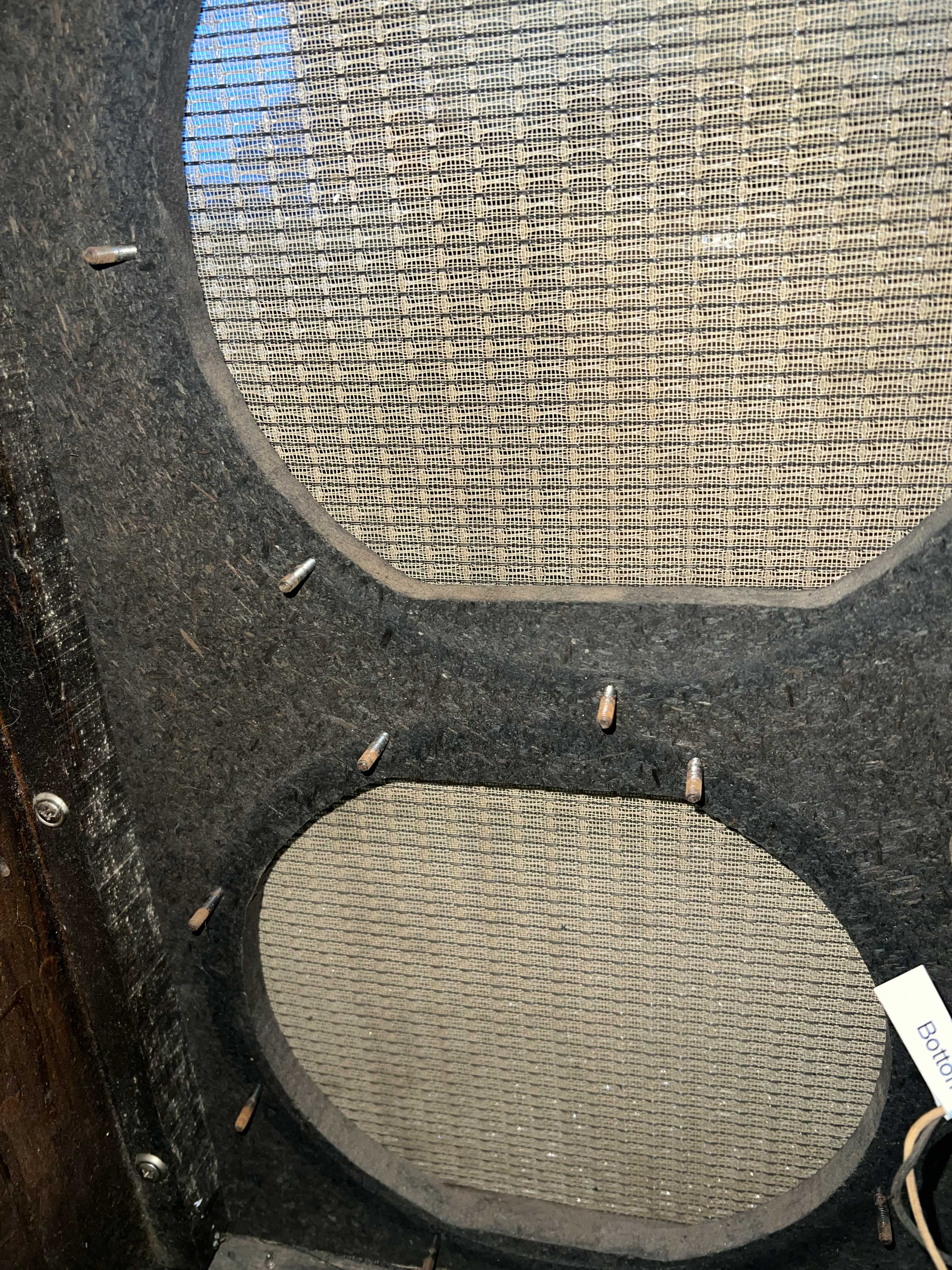
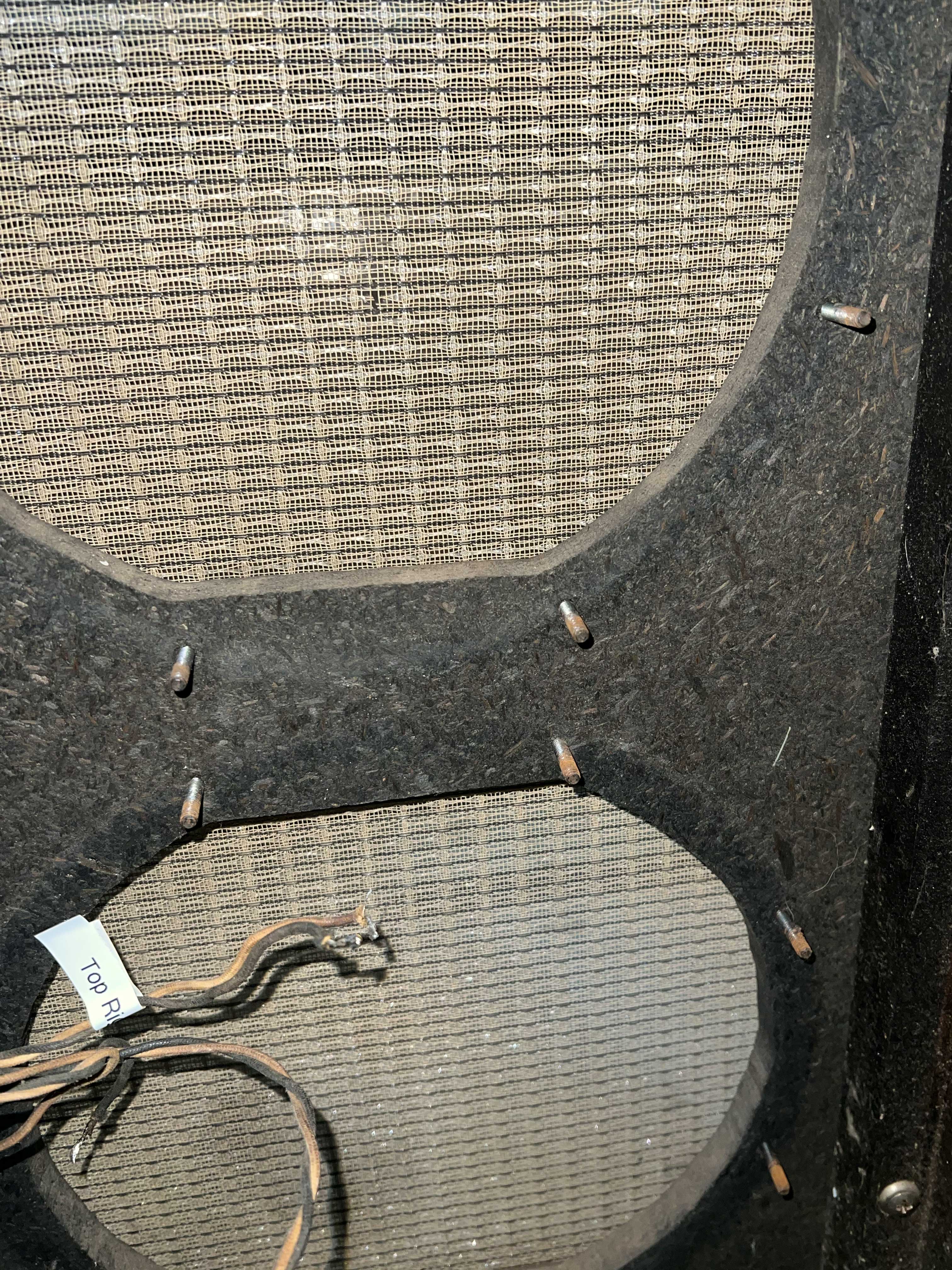
Maybe it would have been fine to have left the speakers installed, but I’ll never have to wonder “what if.” The speaker mounting bolts are sturdy, the baffle board isn’t wrecked in pieces, and the cabinet joints are undamaged.
The cabinet arrived in the condition the amplifier was purchased in with a clean bill of structural cabinet health from Will at Amarillo Amp Works.
Chassis
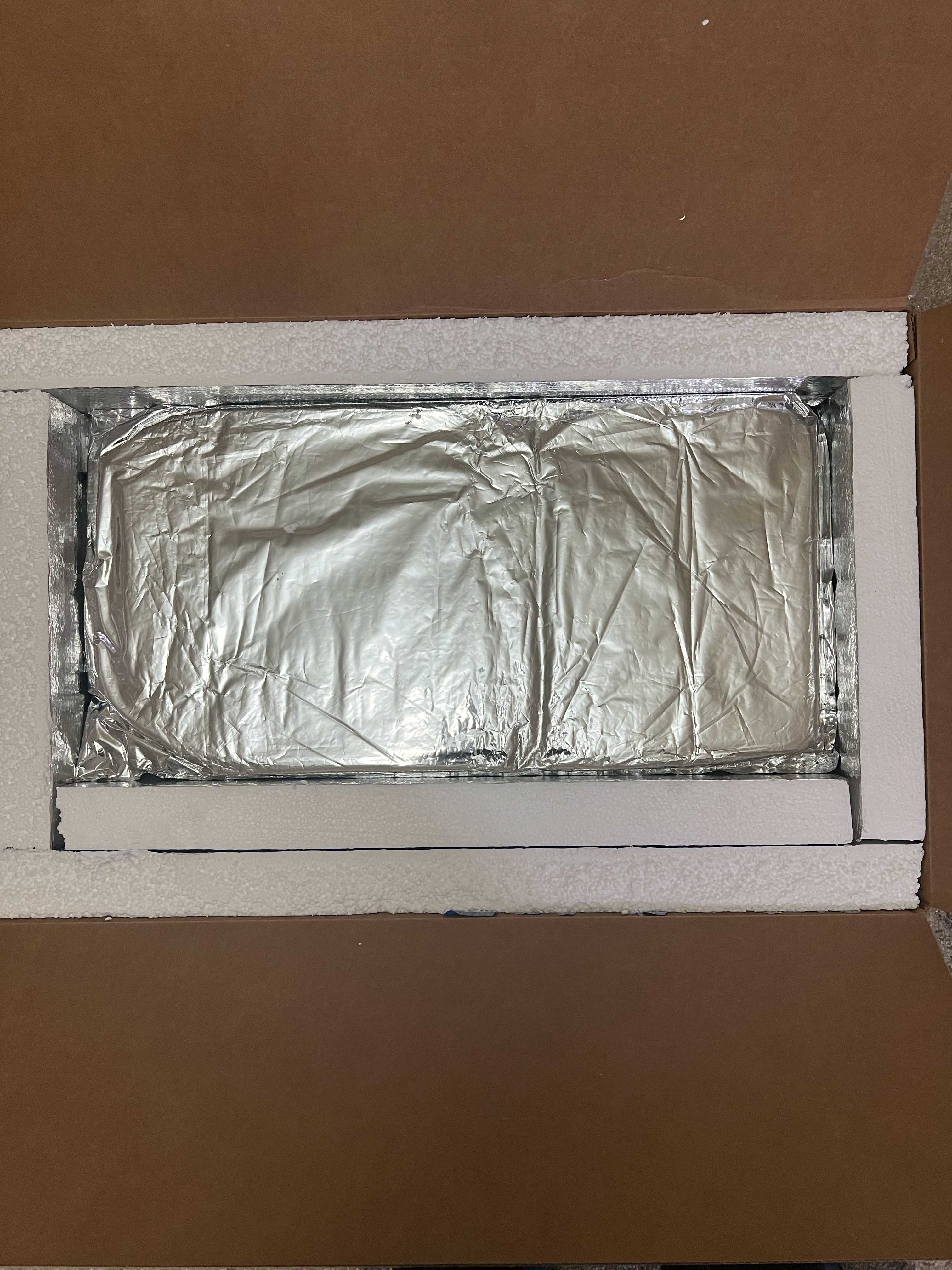
All that’s left to unbox is the chassis. This was my favorite part of packaging the entire amp….I really got the chassis box to fit the chassis like a glove. Opening the box:
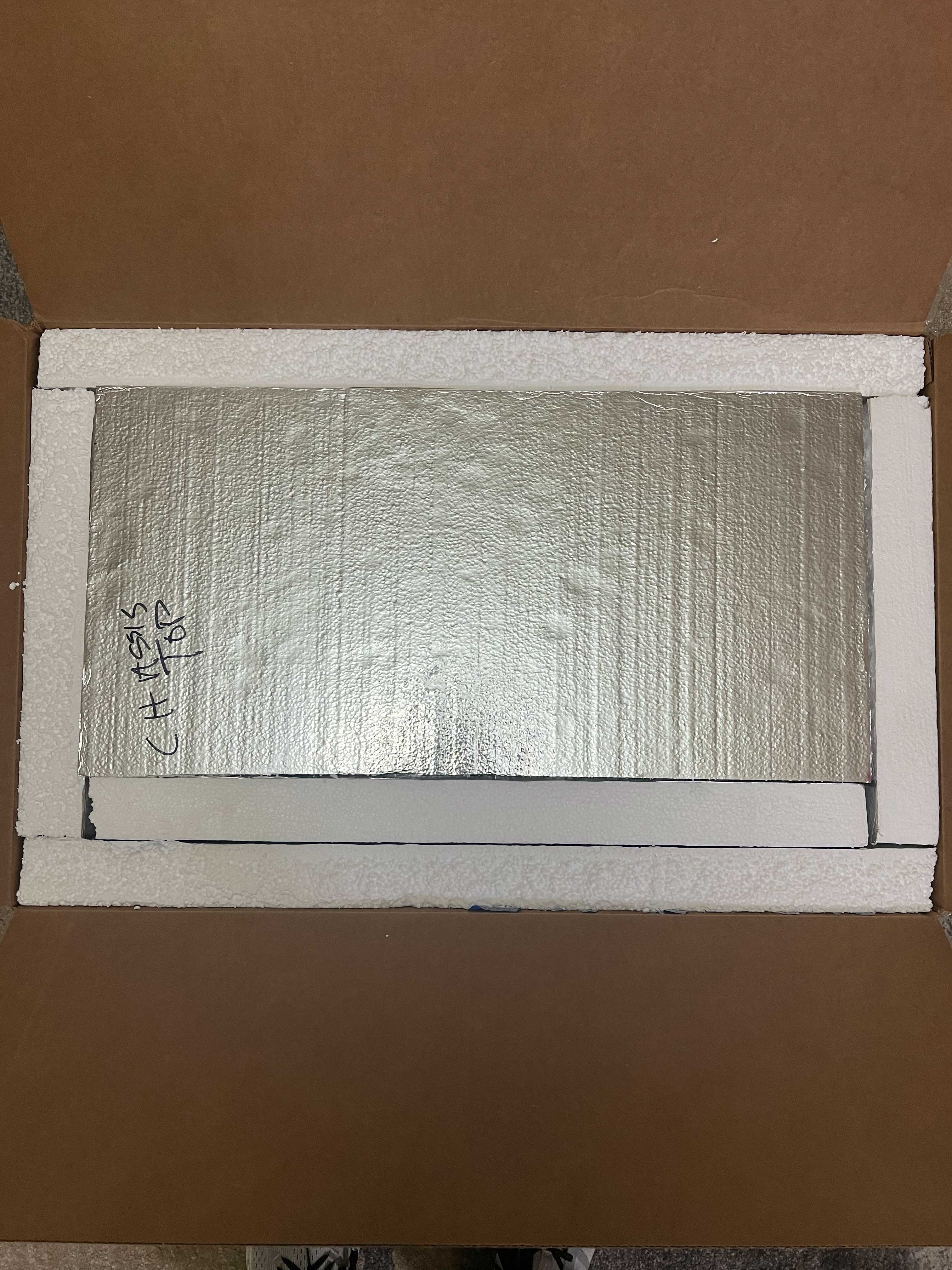
Granted, I let the boxes acclimate to room temperature for over 24 hours before unboxing, but when I touched the padded bag, it literally felt warm to the touch. It was so impressive it almost felt as if it stored the room temperature from the packing date and held onto it as the amp made its way across the country. The amp was in Nashville on Saturday night and the freezing rain hit Sunday morning. Monday night it dropped to 5 degrees.
Yet the cover placed below the top layer of foam literally felt warm to the touch upon unboxing. I’m The Beatles of packing tube amplifiers. Guitar Center, you should hire me to fix all your problems.
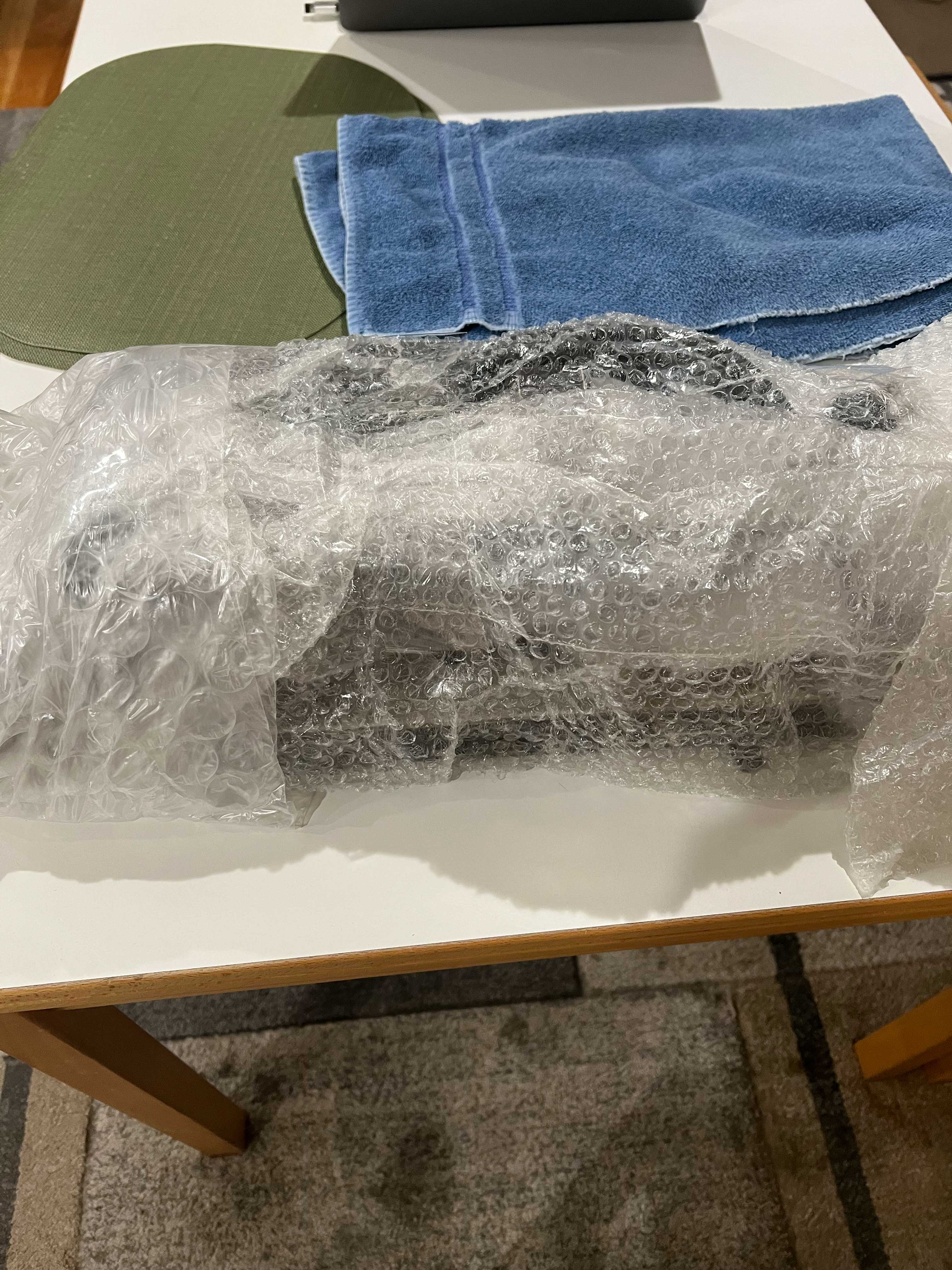
Remember that bits of styrofoam find their way everywhere. Foam packing peanuts can do the same thing. So just like when the speaker cabinet was boxed yet again to keep foam from getting everywhere, the chassis itself wasn’t just wrapped but was bagged in bubble wrap. The foam was everywhere else in the packaging:
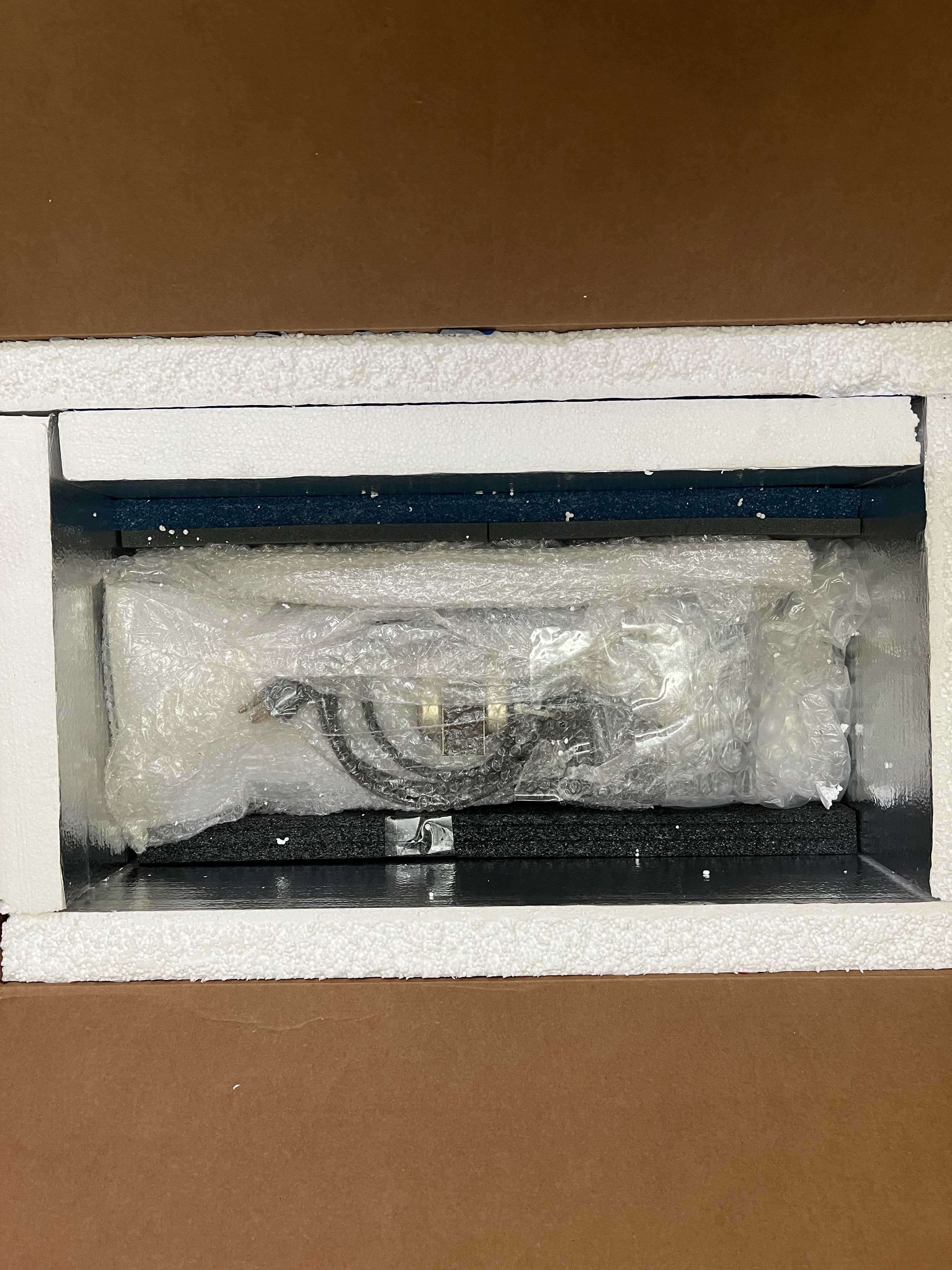
But there was never a chance for foam to get into the chassis itself (meaning the inside of the circuit, the tube sockets, etc.)
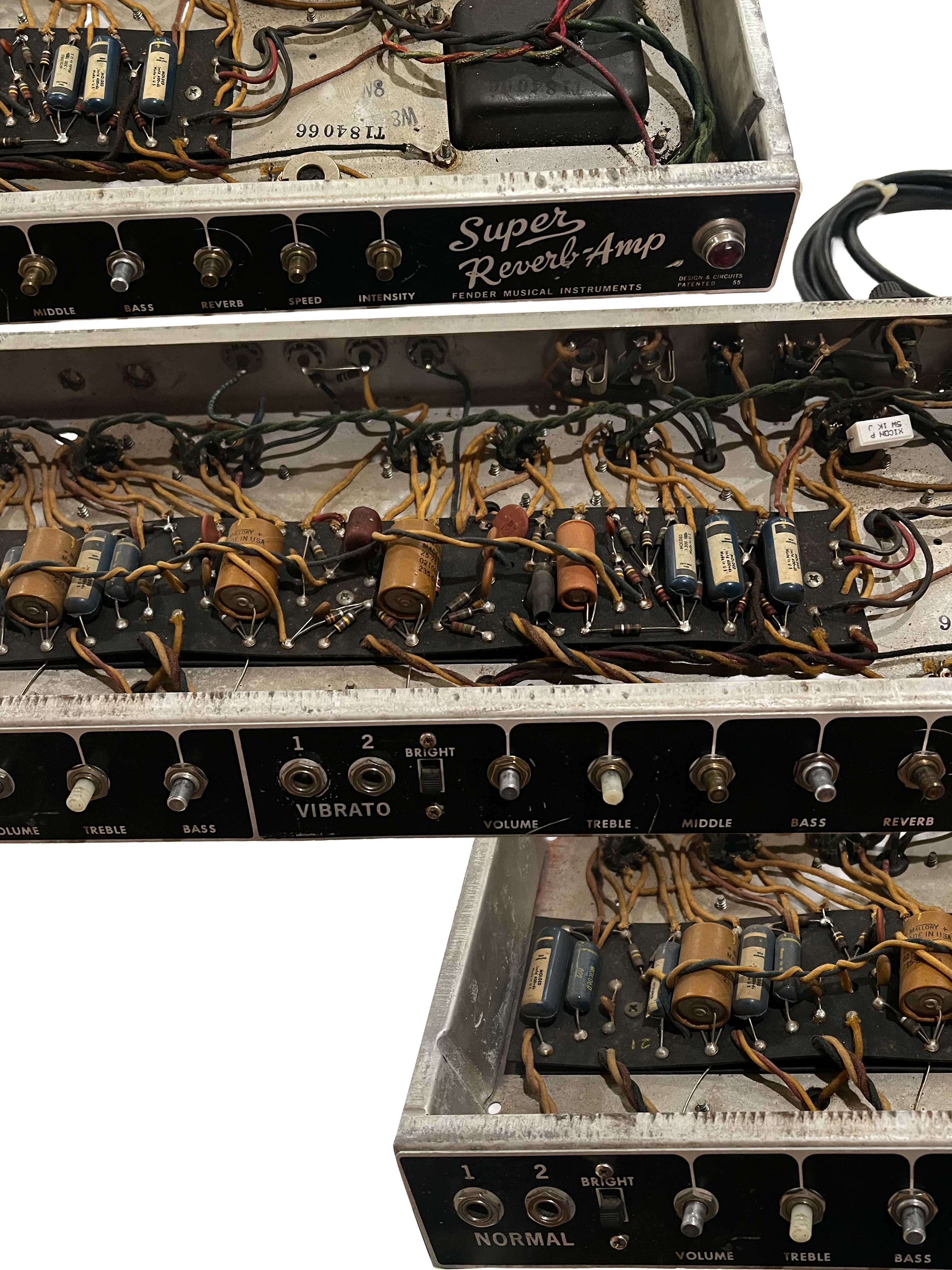
This is not a mint Super Reverb by any stretch but it arrived in the condition it was purchased in. The underside of the chassis shows the output transformer centered on its flanges and no structural damage at all. Just some aging transformers and oxidation on the chassis along with a virtually unmolested main board, and the back panel switches and fuse holder arrived fully intact.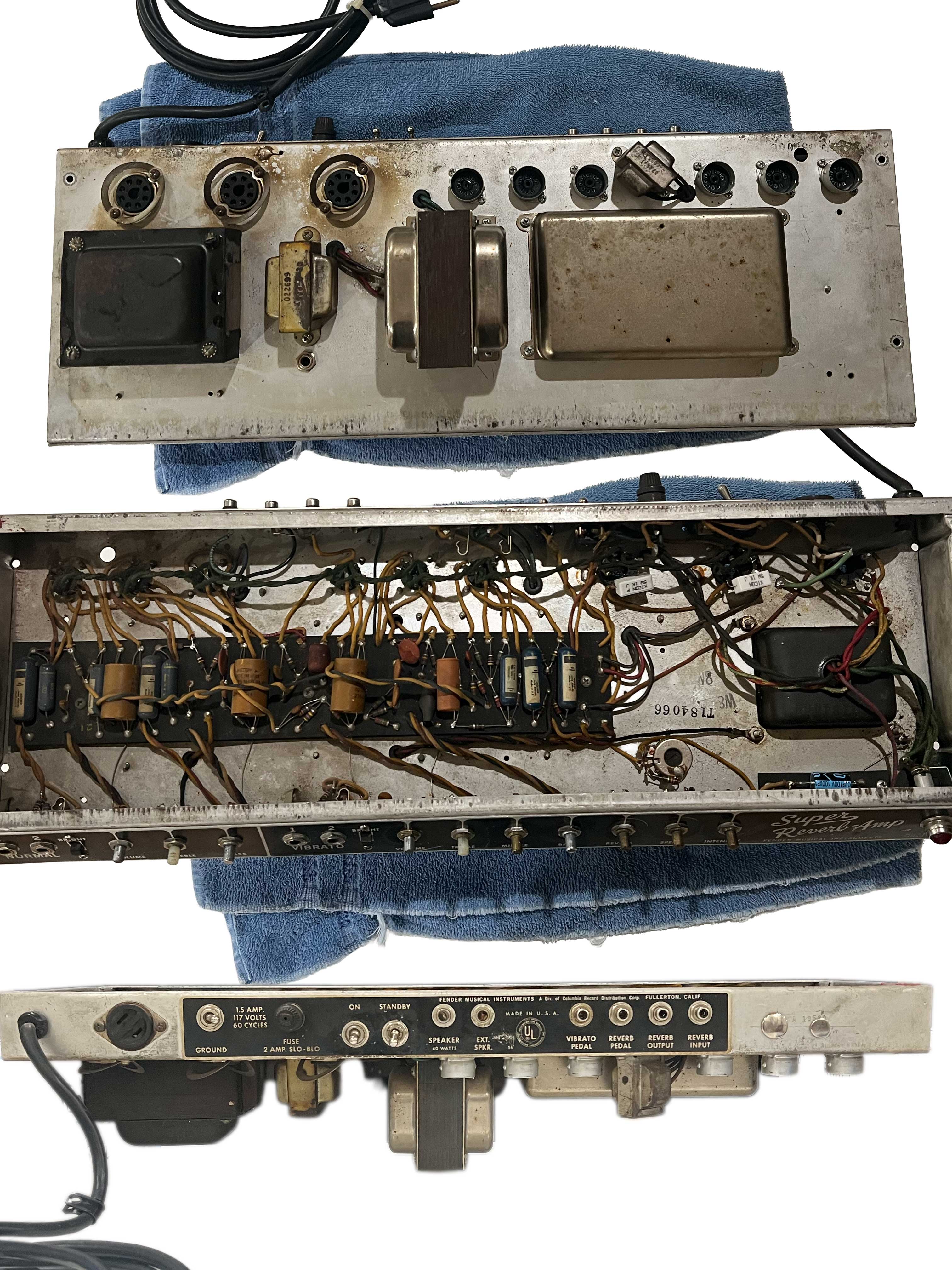
The front panel which I had straightened out before shipping remains straight, obviously with all knobs removed. The pilot lamp/jewel intact and all shipping catastrophes fully averted.
I’ll leave you with this image of what the bottom layer of foam looked like. The power transformer and filter capacitor doghouse had both been padded and held in place with stretch wrap, but padding does not eliminate weight. Notice the steady deepening of the indented lines in the foam. That’s from the weight of the power transformer.
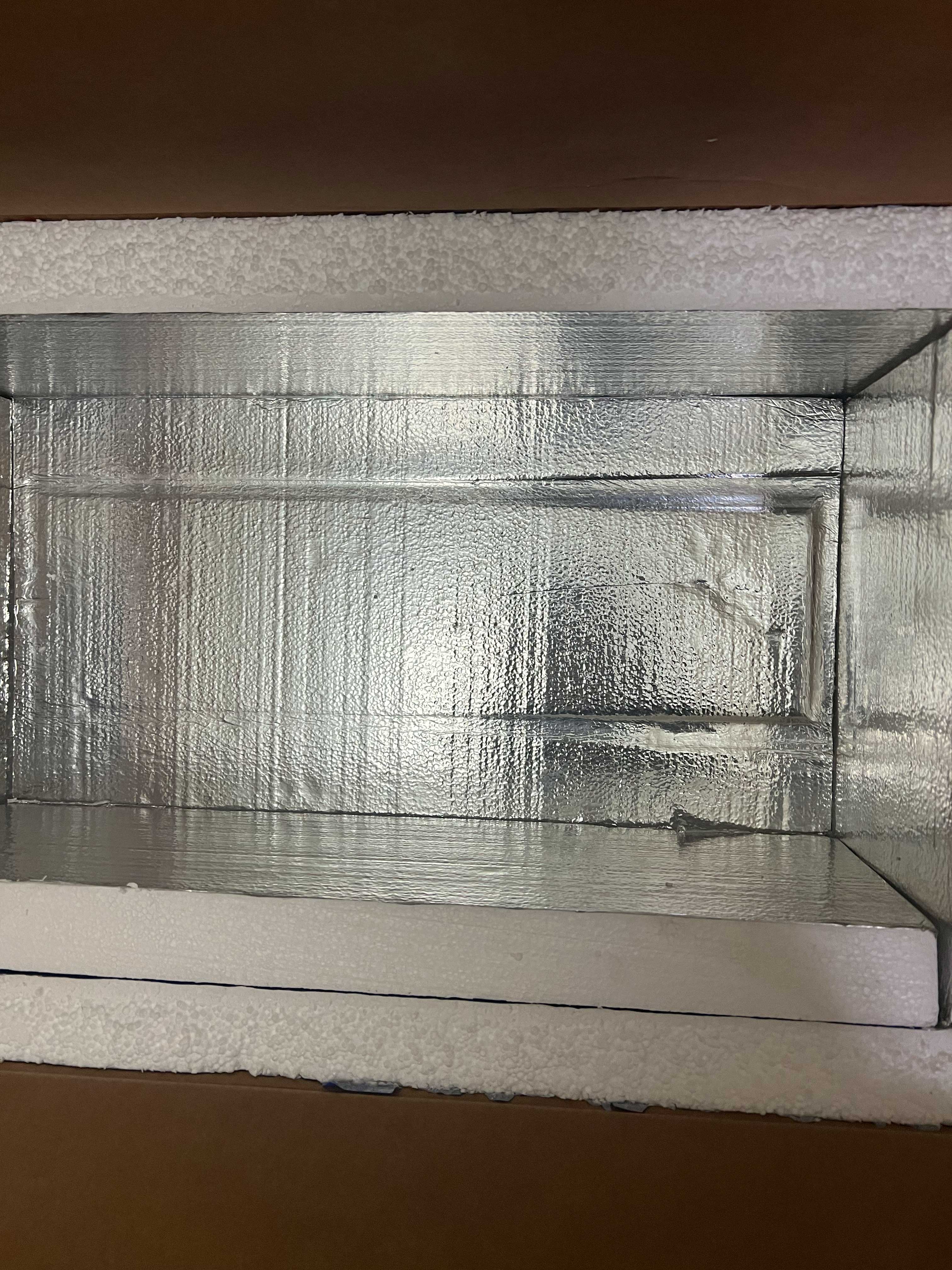
I’m not trying to scare anyone. Fact is, when traveling over 2,000 miles of road the only thing the power transformer could jackhammer was a sheet of 2” rigid insulation foam.
The entire amplifier has arrived safely.
By comparison, Chicago is only 470 miles away. And yet...
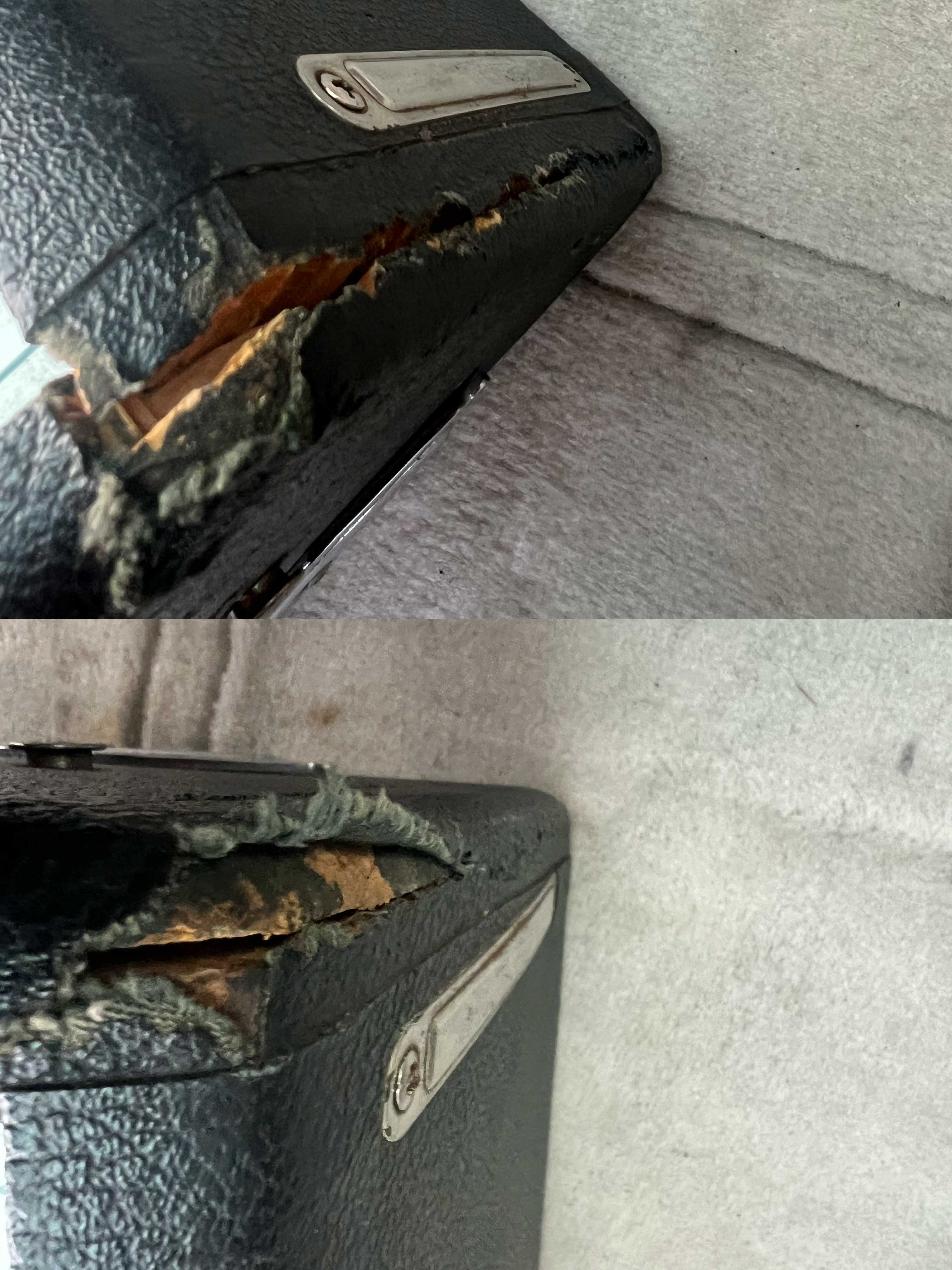
The Super Reverb traveled 4x as many miles and took 4x as long to get here as the Twin Reverb shown above that Guitar Center shipped (damaged on both sides but the widest split in the top half of the photo was indeed the power transformer side).
If we do our jobs well these should outlast us and be preserved for generations to come. If music just doesn’t matter that much anymore, a player’s toolkit is little more than a toy that holds no relationship to the player, so who cares about packing it well either. Call me dramatic, these things matter. Remember what Miles said. Before someone even hit a note he could tell if a player was any good or not just by the way he carried his horn.
In the two weeks the previous owner and I emailed back and forth before we could meet, I told him it would go to a good home with a player who wasn’t looking to buy cheap and flip high for easy money, who would use it to make music with it but also maintain it, and that it would get here safely.
The only remote concern I felt one iota of at all didn’t come until after I had given him the money just before he carried the amp out in the dark for me to the car.
“How are you going to get that to Nashville?” he asked. He needed a water pump for his well but still cared about it enough to care, because that’s what those of us who value music in an age of devaluation must still do. I knew why he asked because I’ve lived letting gear go too and here’s the deal.
It doesn’t matter if it’s a distressed ’66 Super Reverb, a ’59 Strat, or a used Squier and Hot Rod Deville. We could be talking an Esteban guitar from an infomercial if it was some part of your development as a player. It could be anything.
If music matters to you then you form a bond with whatever it is that you use to do what you love. I’ve never forgotten a guitar or amp no matter how cheap (and have sold a fair number over the decades). The green Ibanez I got rid of long ago was still my guitar that I released back out into the world somewhere. Ever heard that Guy Clark song about The Guitar? All these things matter to those of us who still value music enough to keep playing it no matter how few notice or care about what we’re trying to do.
I assured him he had nothing to be concerned about. In fact I think I may have outright said that if I couldn’t ship it with 300% certainty that I would just leave it behind and wait for it to be driven out at an indeterminate later date.
It was a promise delivered.
Join Our Mailing List For More Content
Join our mailing list to receive even more free content. Once I month I send out a free newsletter containing more inside tricks of the trade, anecdotes, and more. There is no commitment required and I offer this for free to anyone who finds value in these writings.
We hate SPAM. We will never sell your information, for any reason.
