
Finding A Gem Down A Dark Dirt Road, Part 2: Why (When Shipping Tube Amplifiers)
Jan 23, 2026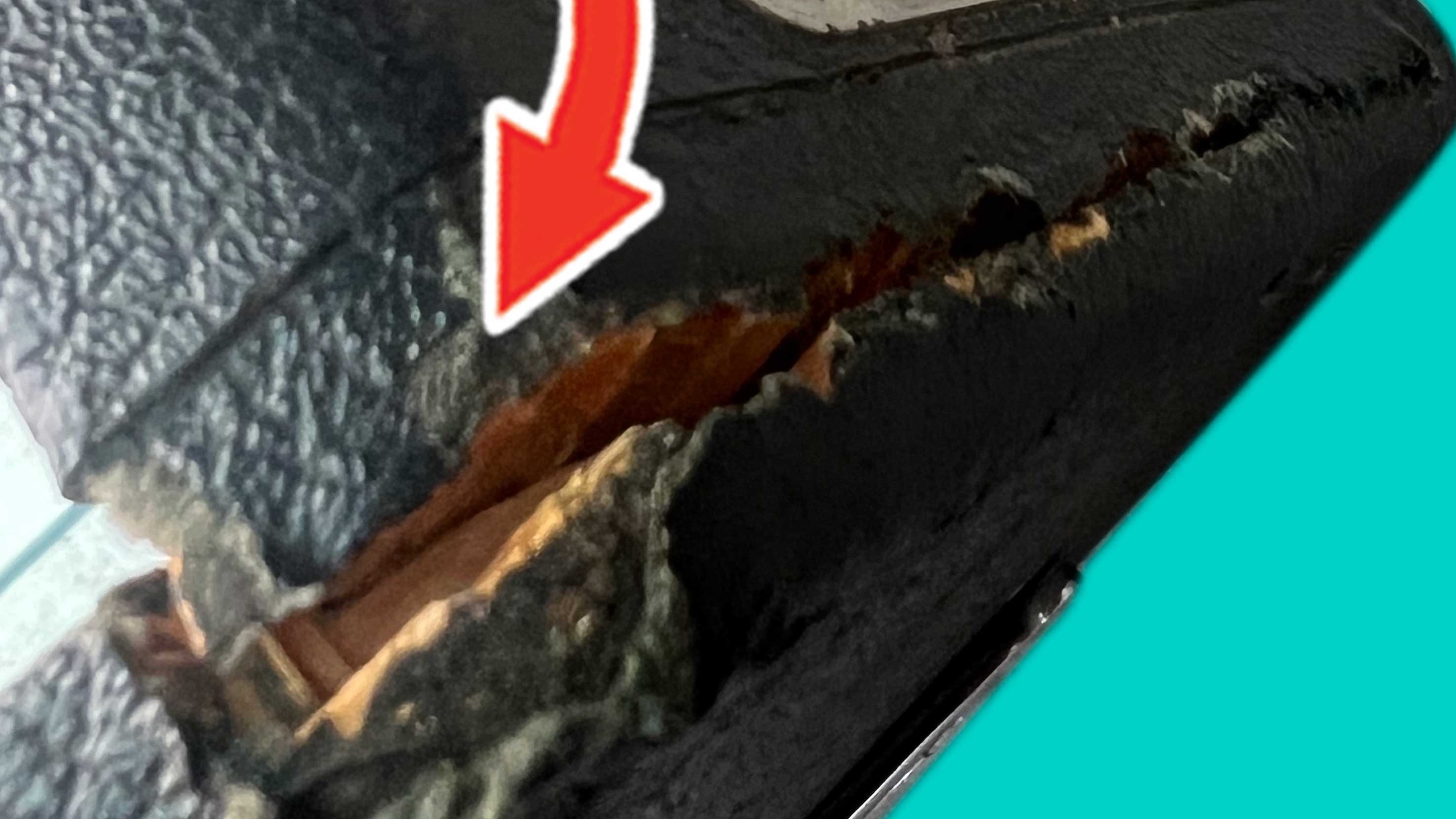
With a finite supply of vintage amps in the world, I went to Capital City Guitars on 4th Avenue in downtown Olympia a few blocks down from where I used to buy blues records in high school at Positively Fourth Street records. (Trivia note that no one will care about at your next party: Positively 4th Street was the first record store in the country to stock the album Nevermind, the first major label release of a local band named Nirvana, but I was trying to find John Lee Hooker records).
At Capital City Guitars I asked for some more advice and also had a good time telling them about the Guitar Center disaster. “Did they even box it,” he exclaimed. For any readers who missed the last post, the destroyed amplifier cabinet being referred to was a young friend’s first vintage purchase: a non-master volume 1971 Twin Reverb purchased from Guitar Center which proceeded to destroy the cabinet in shipment from Chicago to Nashville (store to store).
If you’ve ever pulled an amplifier chassis you will be well aware that the power transformer is the heaviest part, and usually located on the right hand side near the wood cabinet. I make no false promises the level of detail that follows is for everyone, but hopefully at least someone will recognize the care it takes.
Once, years ago, I sent a Dual 1219 turntable out for service that returned with the entire platter collapsed and the spindle in pieces. There was a reason Dual shipped with the platter removed from the rest of the turntable and cushioned, something I learned about from former Dual technician Klaus Adlhoch after the disaster.
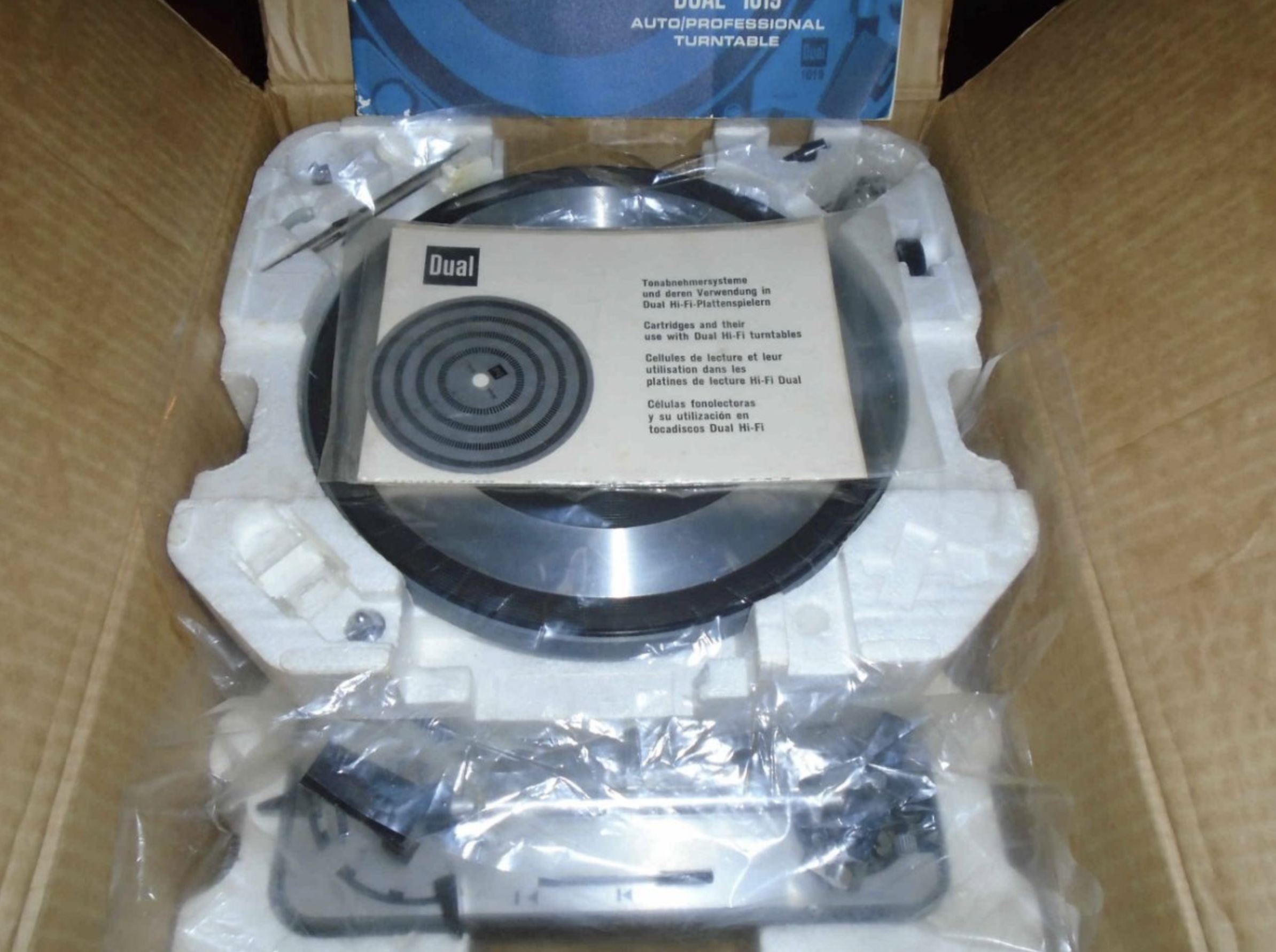
When people who don’t know what they’re doing ship those turntables over thousands of miles without removing the platter first, the weight of the platter may jackhammer the turntable into destruction (as it did in my case).
The chassis on Fender amplifiers from the 1960s is secured to the wooden cabinet via four mounting bolts. (I specify the 1960s models since smaller models in the 1950s tweed era do not contain the chassis straps, but to stay on topic…) In other words there is the weight of the transformers and then there is gravity.
Combine weight, gravity, and sloppy finger-jointed pine cabinets and we have a recipe for disaster waiting to happen when shipping vintage Fender amplifiers.
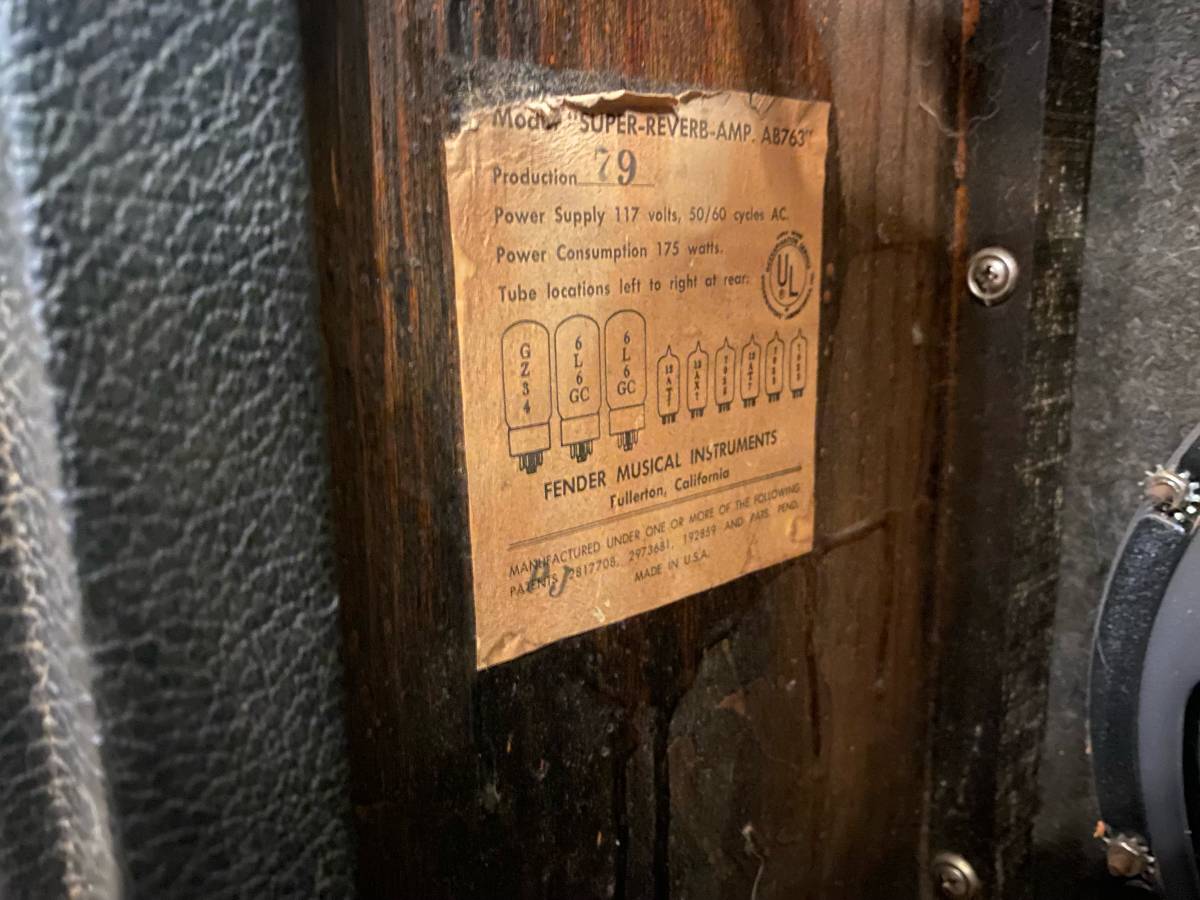
Capital City Guitars told me “something we’ve found works better is pulling the chassis and shipping separately,” but I didn’t stop there and went several steps further. In the next update we’ll see how far I went to completely bomb-proof the Super Reverb in shipment.
Join Our Mailing List For More Content
Join our mailing list to receive even more free content. Once I month I send out a free newsletter containing more inside tricks of the trade, anecdotes, and more. There is no commitment required and I offer this for free to anyone who finds value in these writings.
We hate SPAM. We will never sell your information, for any reason.
