
How To Ship Tube Amplifiers - Arrival Day (Finding A Gem Down a Dark Dirt Road Pt. V)
Feb 01, 2026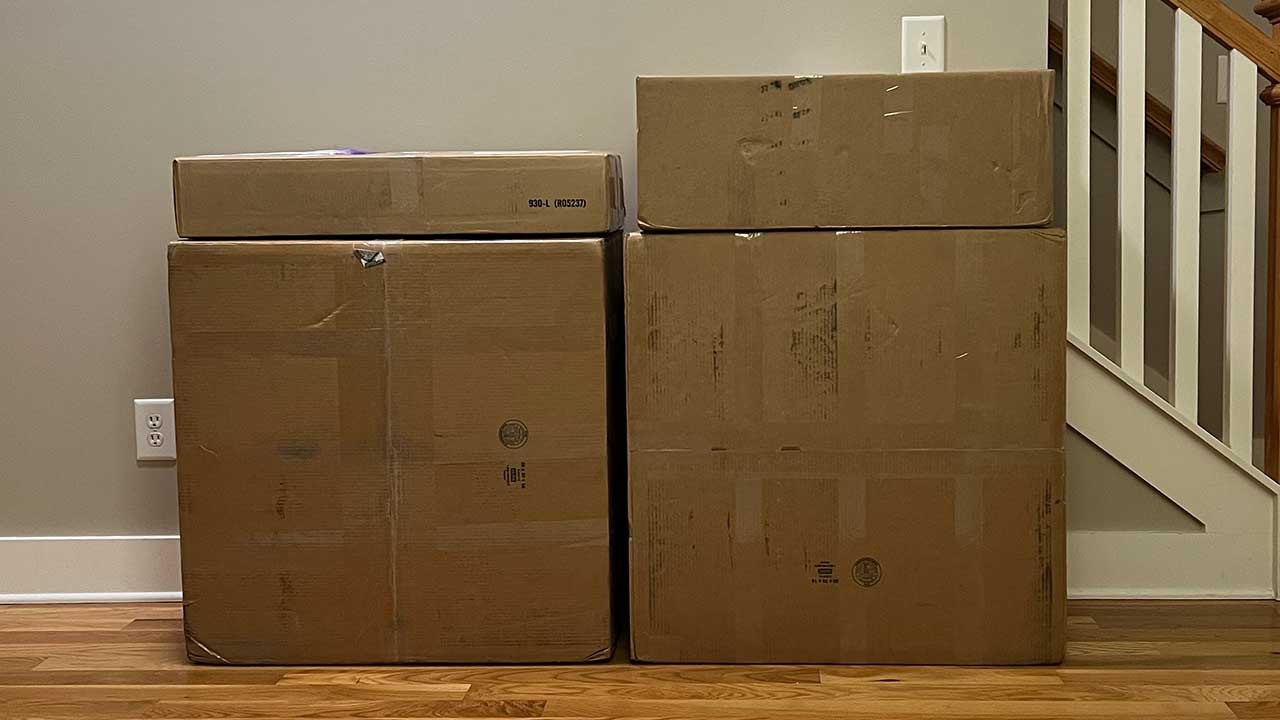
The winter storm knocked out power to 230,000 homes in Nashville and was the largest outage NES has faced in their history. (By comparison, the 2020 tornado that swept through East Nashville knocked out power to 130,000 customers). We lost power as well but I was unconcerned about the amp, and the addition of this new development could not have been planned, rehearsed, or come at a better time for testing the packing method. The foam insulation would have stabilized the temperatures inside the boxes, while the additional handling time allowed a few extra days for testing the handling of shipment.
I actually wanted this process to be a stress test for amplifier shipping. Because I couldn’t throw it out of an airplane, a few extra days in unknown warehouse conditions onto trucks that could not make their deliveries on time through icy roads.
FedEx didn’t deliver until Thursday, a delay of three days. They tried to deliver on Wednesday and tracking showed the boxes were on the truck, but FedEx was too delayed so we got one more day added to the shipping stress test.
Lest detractors question the size and weight of the boxes as “those boxes are immovable - too bulky” : I was able to lift them myself upon arrival - even the heaviest box containing eight 10” speakers.
With guitar shipments it’s good practice to wait a day or two before opening the box, since rapid temperature changes are when damage occurs. Given the insulation I probably didn’t need to for the amp but opted to leave the boxes in my hallway for another day for them to slowly warm to the room temperature (with power and heating restored after the storm).
Looking over the boxes confirmed two things:
- This was not overpacked. We did very well.
- Larger, heavier boxes were damaged more than smaller less heavy boxes
The speaker box was of course the heaviest.
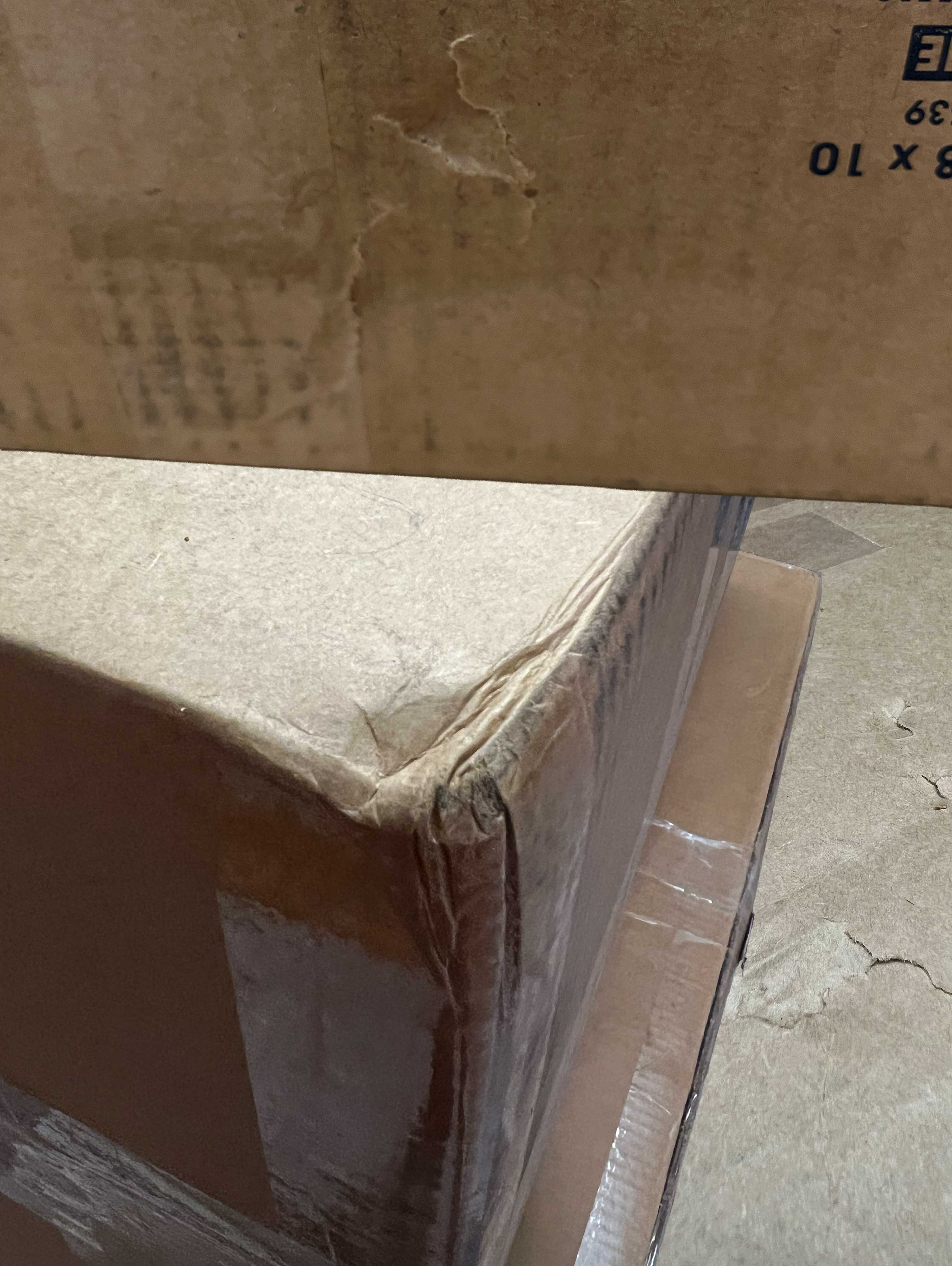
Instead of attaching 25 pictures for every box, here’s a collage of the speaker box showing many signs of rough handling. Nothing out of the ordinary and with due respect to my FedEx delivery driver Timothy who was a really nice guy working hard to travel through neighborhoods blocked by downed trees and icy hills. We do not expect boxes to be undamaged in shipment but it was clear the speaker box took the brunt of the greatest external abuse.
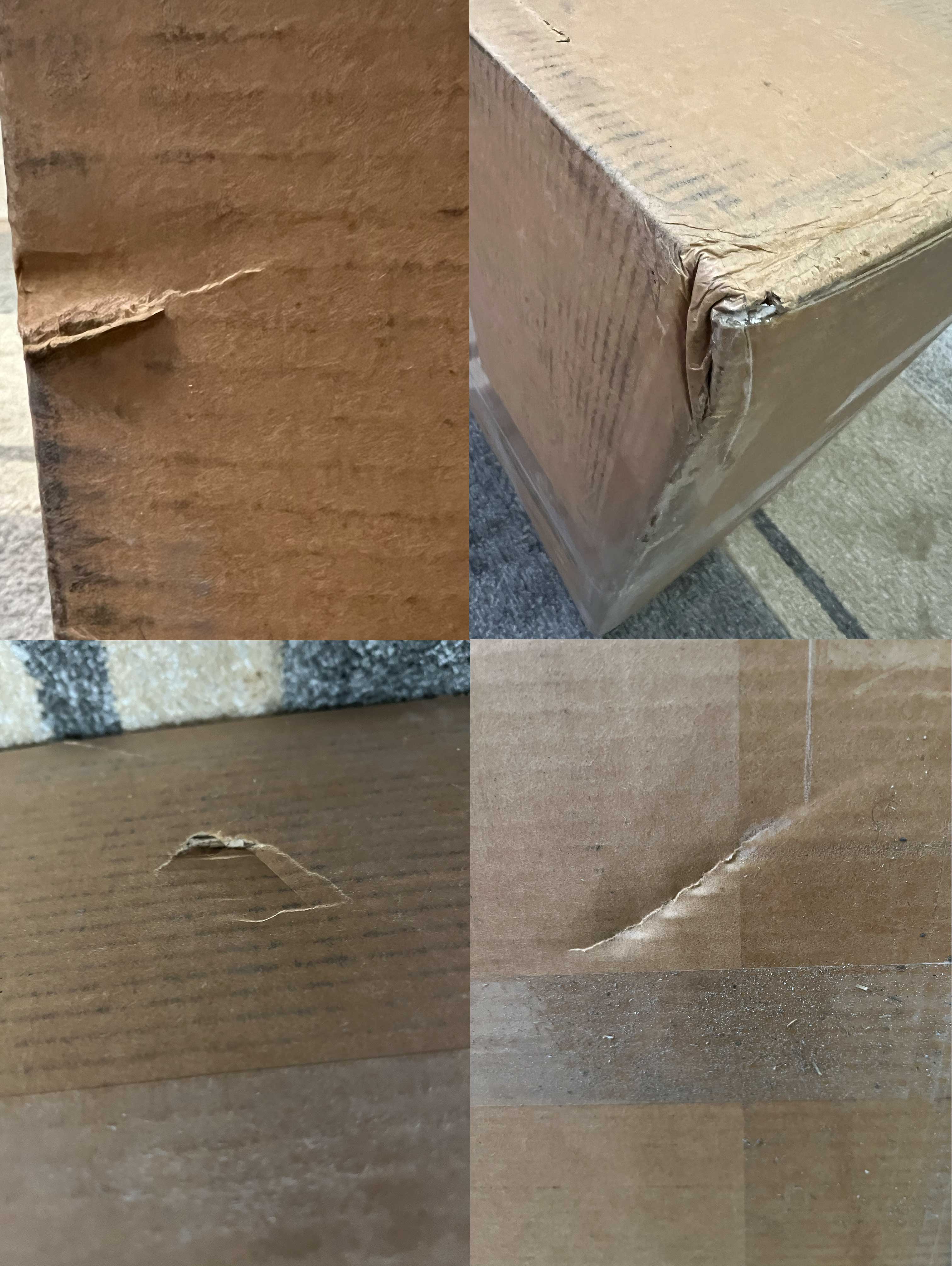
The weight of the speaker box approaches the same weight of a loaded Super Reverb amplifier (about 65-70 lbs) and is the exact same model #/size box from Uline. So if the entire amp had been sent with speakers and the chassis still mounted without the 2” foam insulation, you can see how the punctures in the shipping box could easily go much deeper. (Remember the story about the previous owner’s purchase of a ’65 Twin that arrived with one of the cones torn).
We don’t know why the corner of the box was damaged but imagine that was the power transformer side of a loaded cabinet with the chassis attached. Then think about the $27 shipping fee Guitar Center charged to ship my young friend’s first vintage purchase from the Chicago to Nashville store and recall the discussion of weight and gravity jackhammering things apart. None of that is hard to imagine being commonplace when inspecting the outside of the speaker box alone. But because of the way this was packed and sent, I almost don’t even need to open the packages to know every single one arrived safely.
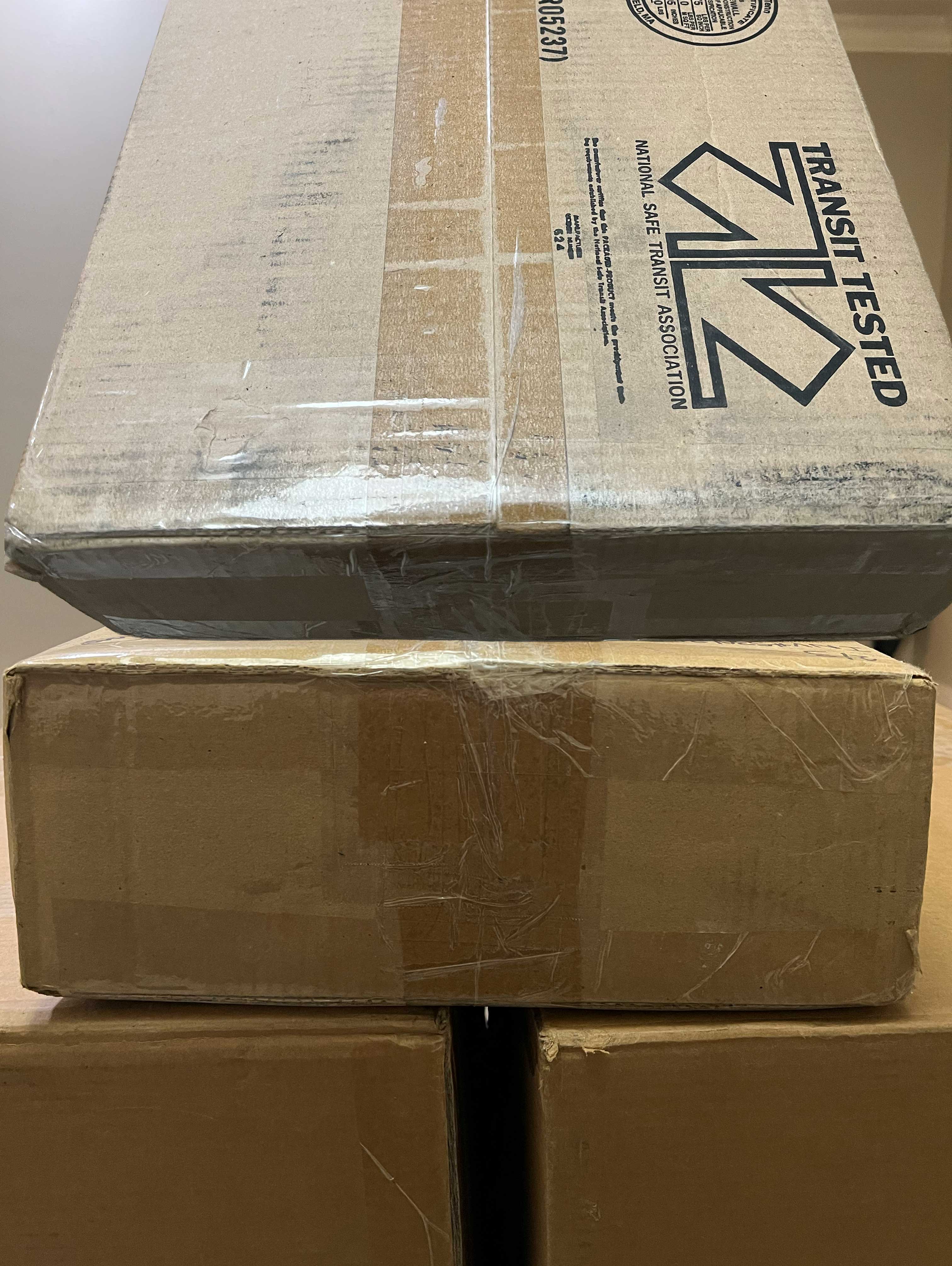
The identically sized box (30x30x18) containing the cabinet was not as heavy as the box containing the speakers. To quote What About Bob, “Dr. Marvin, what a great idea having a patient on the show with you. What better way to demonstrate the success of Baby Steps.” What better way of comparing size vs. weight in how shipments are handled with fragile vintage amps!
Notice that the cabinet box contains signs of wear, but not as much as the heavier shipment of equal dimension. Yet the 2” foam clearly stopped the punctures from going deeper. Double-walled heavy duty boxes lined with foam are where it’s at when shipping guitar amplifiers.
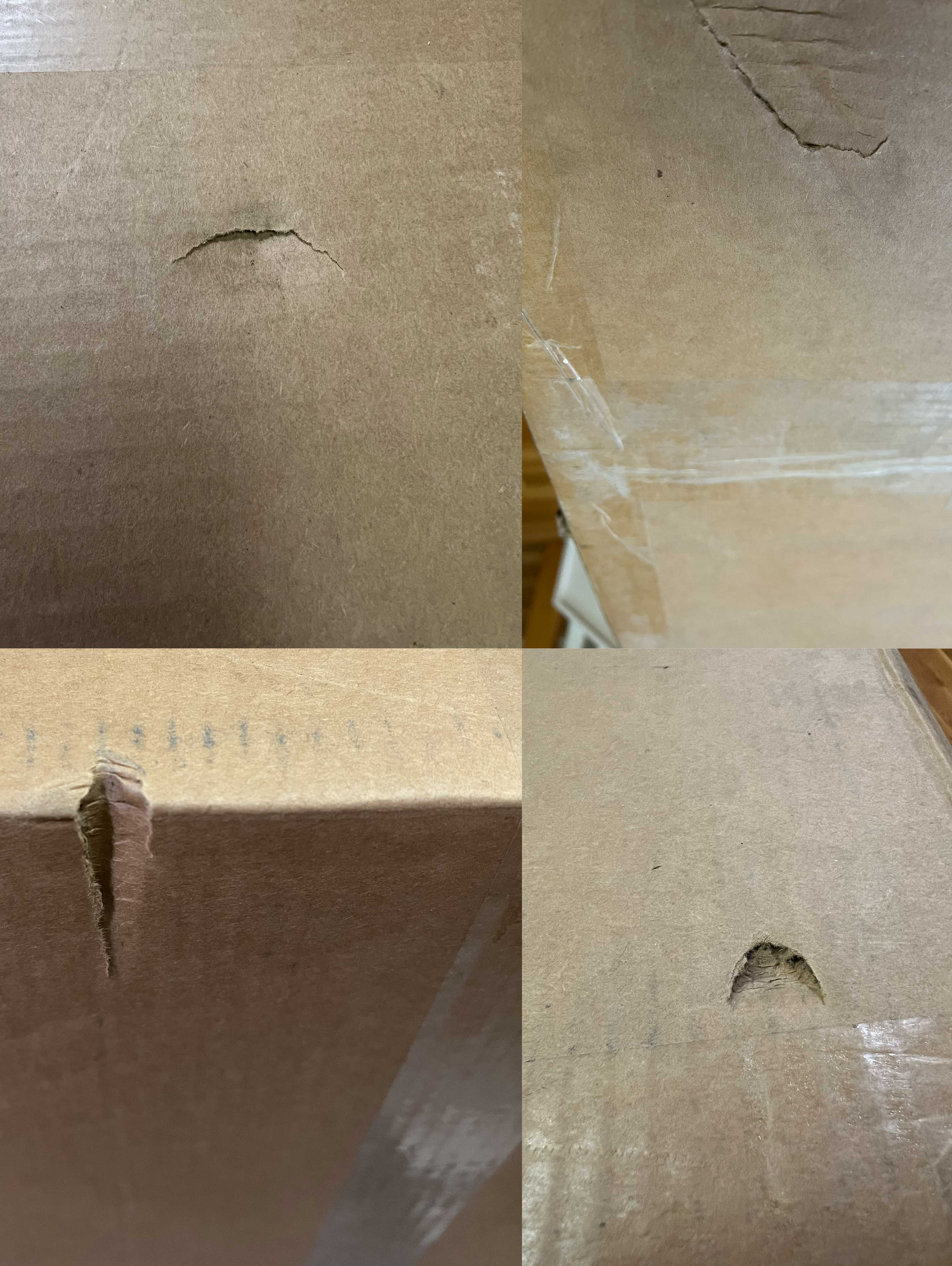
The chassis box was smaller than the cabinet box, but heavier. After all, the weight of the transformers alone (which is what I suspect killed the Twin Reverb cabinet Guitar Center shipped) is much heavier than a wooden cabinet with the speakers removed. You’ll see what it does to foam instead of a 60 year old pine cabinet in Part VI.
Certain areas of the chassis box look absolutely perfect:
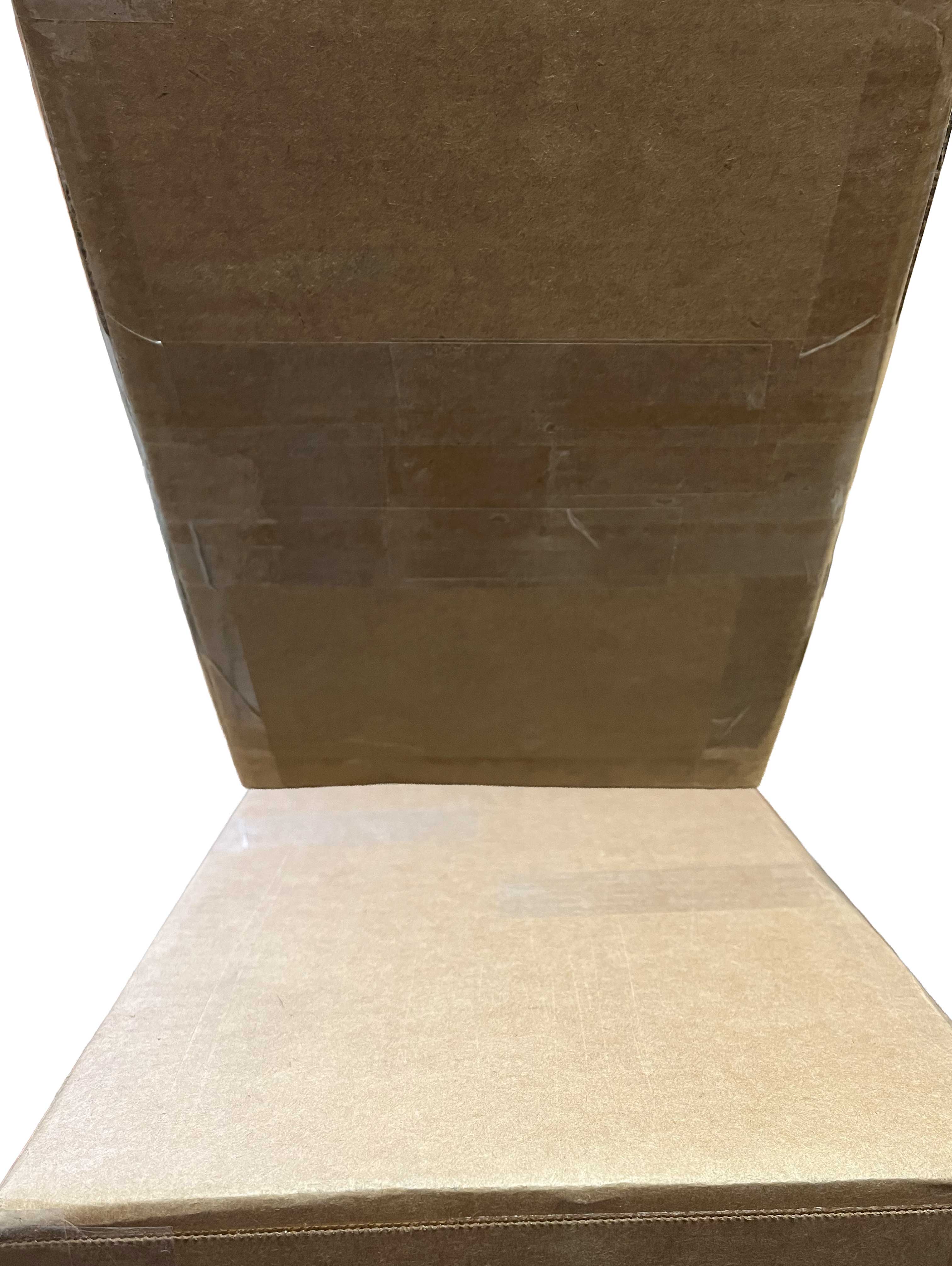
But notice how the corner damage returns. Weight = rough handling with the boxes. The reduction in handling size limits the extent of overall damage to the box.
Now compare all that to the box containing the reverb tank, tubes, and chassis mounting hardware. This box contains the most fragile items, yet shows the least signs of handling. To begin with, it was a used box when I pulled it from the basement for reuse. Yet it shows almost no signs of handling at all, as if it Scotty beamed it up to me in the ether of the Internet.
If you want to look for anything wrong at all, you’d be hard pressed. The only sign of handling at all is this tiny abrasion.
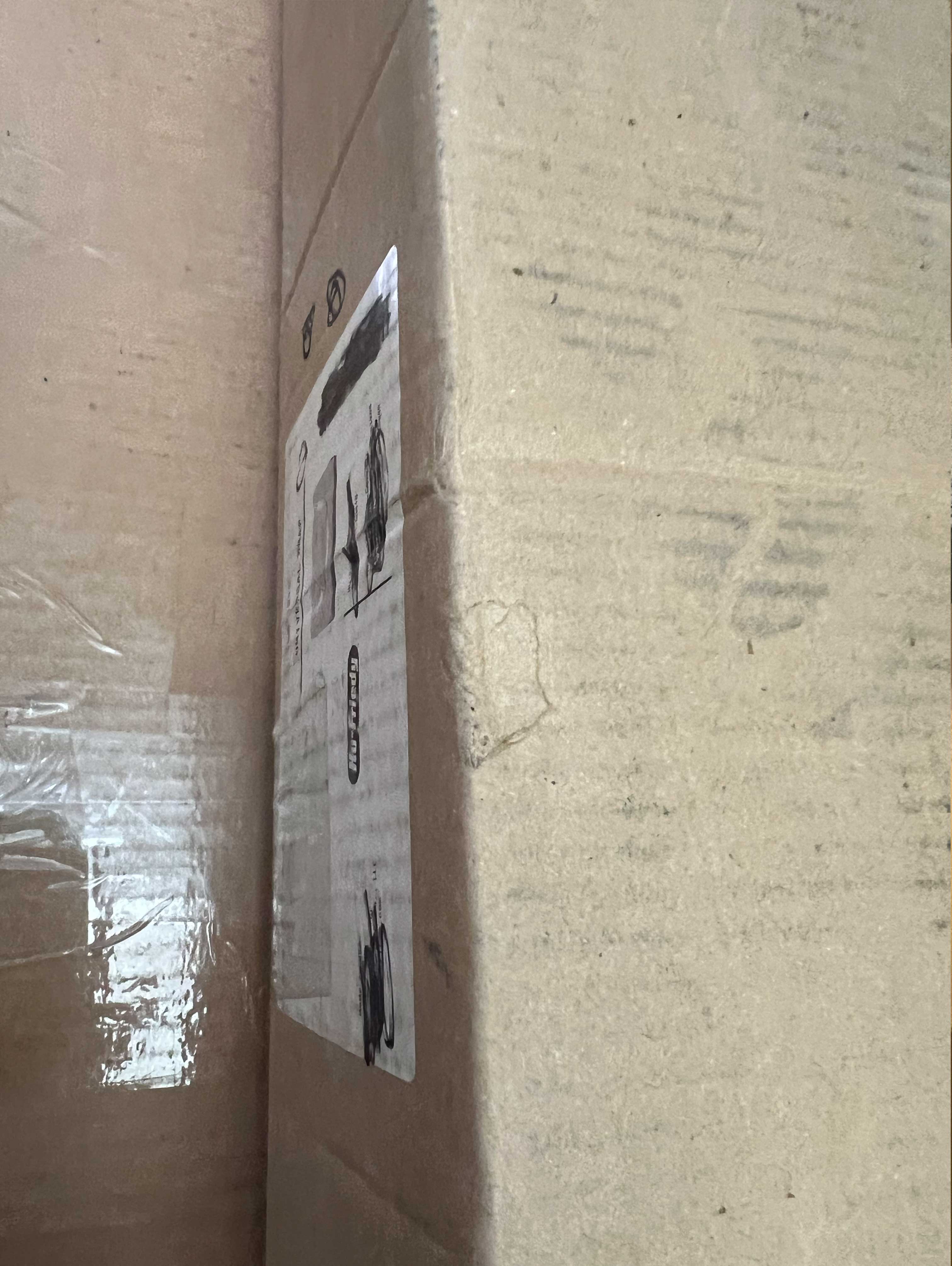
It’s clear to see that eliminating the weight in as many places as possible leads to safer shipment. Where weight or bulk cannot be eliminated, paying Home Depot for a sheet of 2” foam is better than paying the FedEx packing charge.
This amplifier won’t go onto my bench or be put into use for quite some time. Attempting to save and grow this website along with rebuilding the Twin Reverb the owner is first in line for takes precedence to servicing this amp right away. But to prove that all arrived safely, we'll open the boxes together in the final installment next time.
Join Our Mailing List For More Content
Join our mailing list to receive even more free content. Once I month I send out a free newsletter containing more inside tricks of the trade, anecdotes, and more. There is no commitment required and I offer this for free to anyone who finds value in these writings.
We hate SPAM. We will never sell your information, for any reason.
